– Life is so unpredictable. There are unexpected turning points that might change one’s life completely. She’s at a major juncture. Scary.
– A domino effect can start with the fall of just one small piece.
– Let pray. The Higher Powers will guide you through.
– In her fear, she prays for love, forgiveness, health, safety, and enlightenment…. She does this every day.
– In the darkest moments of misery and fear, she realized she’s not alone. She’s received more love & care than she could have ever expected.
– Being nice and being kind are different.
– I love and miss you, Grandma. So much! I wish to see you in my dreams.
– Mom, I love you! I’m so lucky and happy to be your daughter. Thank you for everything you’ve done for me. My most peaceful nights are those when I was with you, holding you as I slept. My life felt abundant, carefree and protected when I was with you.
– Sis, your care and protection have touched my heart. I’m so grateful.
– She doesn’t want to be weak but she’s cried. Oh shit, she needs to love herself. No fucking one has the right to steal her joy.
While looking for something to do to beat boredom, my friend suggested we watch the Quintessence of Tonkin show, and I immediately agreed. We were picked up at 5:30 PM and spent 45 minutes on the bus to get there.
The venue has two main areas: the performance space, which was closed until the show started, and an open market area called “Chợ Quê,” resembling a traditional market with stalls selling Vietnamese foods and snacks. There, we were treated to a complimentary traditional Vietnamese family meal, which included boiled water spinach, clear soup (water from boiling the spinach), fried tilapia fish, and fermented eggplants. Had I known about this market, I might have skipped this free meal, which wasn’t entirely free as it required a minimum purchase of four tickets. The market used with coupons instead of cash. I bought five coupons, each worth 20,000 VND, but later realized it would have been better to buy coupons of different values since you don’t get change for cheaper items. I bought steamed sweet potatoes, garlic butter bread, and green tea. The sweet potatoes were good, but the bread was disappointing—dry and made with margarine instead of butter. The meal area also had a stage where artists performed traditional singing, dancing, and acting, showcasing typical Vietnamese culture.
When the show was about to start, we lined up for check-in.
The show offers three types of tickets: Platinum, Gold, and Regular. Platinum tickets are the most expensive and come with separate, premium seating at the back, which is covered and equipped with fans. Gold and Regular tickets have access to the same unnumbered seating area; the only advantage of Gold tickets is a closer entrance, giving holders a better chance to choose their seats first. We chose seats at the back, just behind the Platinum area, where we benefited from the breeze from the Platinum area’s fans, which was great on that hot, humid night.
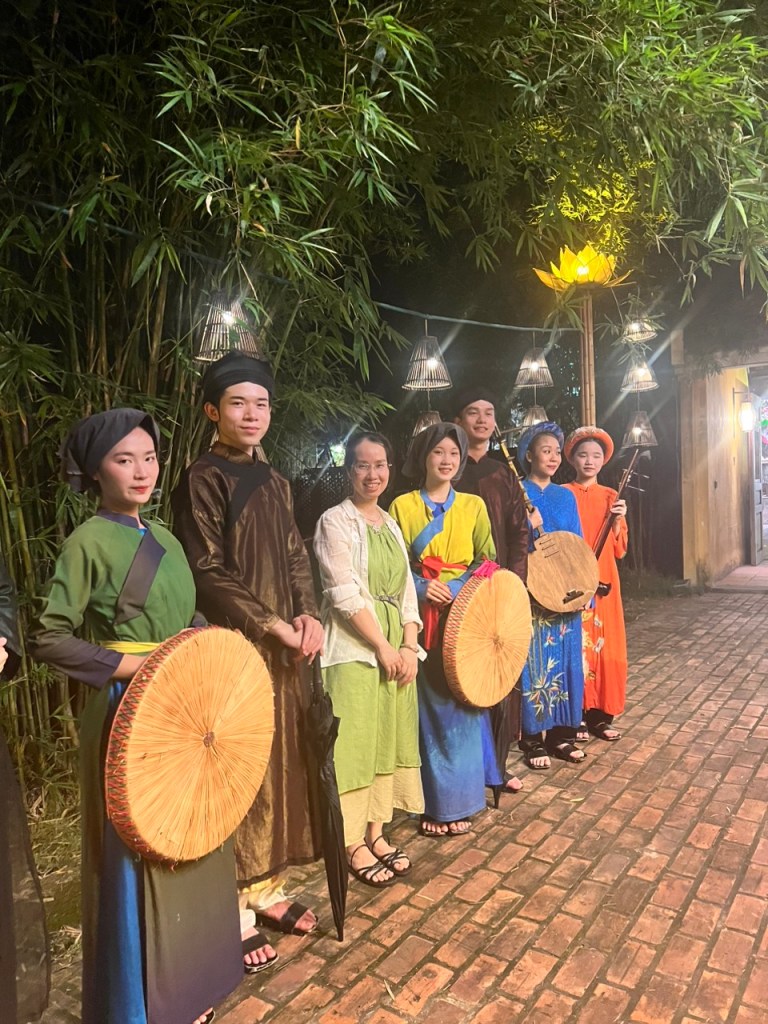
As the name suggests, the show introduces core aspects of Vietnamese culture, specifically those of the Red River Delta, through scenes of daily life, music, paintings, and celebrations. It also illustrates the examination process for students, highlighting the celebration of the top scholar, and emphasizing the respect and significance of academic traditions. The show highlights Vietnamese cultural, spiritual, and religious elements, such as lotus flowers, Buddhism, the Female Goddess Worshipping (Đạo Mẫu), and puppetry. A notable feature of the show is the participation of a large number of performers, including local farmers and professional artists, performing on a large water stage set against the natural backdrop of Thầy Mountain and surrounded by bamboo trees. The stage creates a peaceful village scenery, harmoniously blending with the performance. Artistic lighting, music, and traditional instruments add excitement to the show.
Through the show, audiences gain an understanding of how closely Vietnamese culture is tied to agricultural activities like rice planting and fishing. Real buffaloes, boats, and traditional farming tools on stage vividly represent the daily work of farmers. The show also offers insight into Vietnamese art through folk songs, traditional musical instruments, and Đông Hồ paintings – folk art known for their handcrafted prints, created using carved wooden blocks.
While I found the show interesting, it didn’t leave a deep impression because it was hard to identify standout moments. The show lasts only 45 minutes, making it difficult to explore each aspect in depth. As a Vietnamese, I found it challenging to fully grasp the aspects presented, so it might be even more confusing for foreigners, especially since the show is entirely in Vietnamese, except for a brief introduction on a projector. While the show aims to convey a sense of peace and simplicity, I personally found it rather sad. The depiction of a life with few comforts and limited entertainment made me reflect more on past struggles than on the intended tranquility and artistic beauty. The performers’ costumes in muted colors, the dark night setting with glimpses of light, folk songs, traditional music, and the lack of modern elements evoked a nostalgic and somewhat melancholic feeling about past hardships. The buffaloes brought on the stage, however, looked so healthy and well-fed that they seemed to be living a good life – an amusing contrast to the humble farmers.
Another downside was the weather. It was extremely hot and humid, making it uncomfortable, especially for someone like me who sweats easily. We sweated a lot during dinner, so I recommend checking the weather and choosing a cooler day to attend the show. Also, it’s better to use the transportation included in the ticket price instead of going on your own. The food there is typical Vietnamese, including noodle soups and Vietnamese crepes, but you might want to bring your own food if you prefer Western options.
In general, the show was an interesting experience, but it left me feeling sad about people’s harsh and dull life back then, rather than the peacefulness and relaxation the shows aims to convey. Or it might be that because I was feeling unhappy, it was hard for me to see the show in a more positive light.
Before the trip to Sam Son Beach, I had a rough week with my mind busy with the IVF cycle. I was worried about my future, feeling trapped and unable to focus on anything else. It felt like I was wasting my life, stuck in a rut where each day passed futilely. I wanted to change but felt so demotivated. Fortunately, making a to-do list helped; it gave me something to look forward to.
Thinking about how enthusiastic my mom was for the vacation, I decided to buy her a new bathing suit and scarf. She loves being photographed, and the scarf would be a versatile accessory for different looks and poses. My sister had intended to take Mom shopping for clothes because she was worried about finding the right fit without trying them on. However, my mom wasn’t up for it, thinking it wasn’t necessary since she hardly ever goes to the beach and could just use her old one. I still wanted to surprise her. I went to a shop and quickly picked out a V-neck bathing suit in a rich reddish-brown and a floral scarf. The suit comes to about mid-thigh and features modern patterns. Unlike me, my sister is very picky when it comes to selecting clothes. She can try on 10 or more items and still not find anything she likes, while I’m quite unfussy. I can quickly choose the pieces I like and adjust them if needed. I believe any problem can be solved. Additionally, shopping is easier for me because my style is different from hers. I prefer loose, comfortable clothes that don’t require strict measurements. I also know which styles, patterns, prints, materials, and forms suit me well.
My mom was very pleased with the new set, especially the scarf, after I showed her different ways to style it. Initially, she thought the scarf was too big and wasn’t sure how to use it. A few hours before we set off, my mom still walked to the market looking for a top to match her skirt and sunglasses to hide her eye wrinkles, but she didn’t have any luck. It’s wonderful that at 70, she still looks attractive and maintains her appearance so well. I’m not sure I want to see the photos of myself when I’m older as I doubt I’ll look as vibrant as she does at her age, even well before I reach that age.
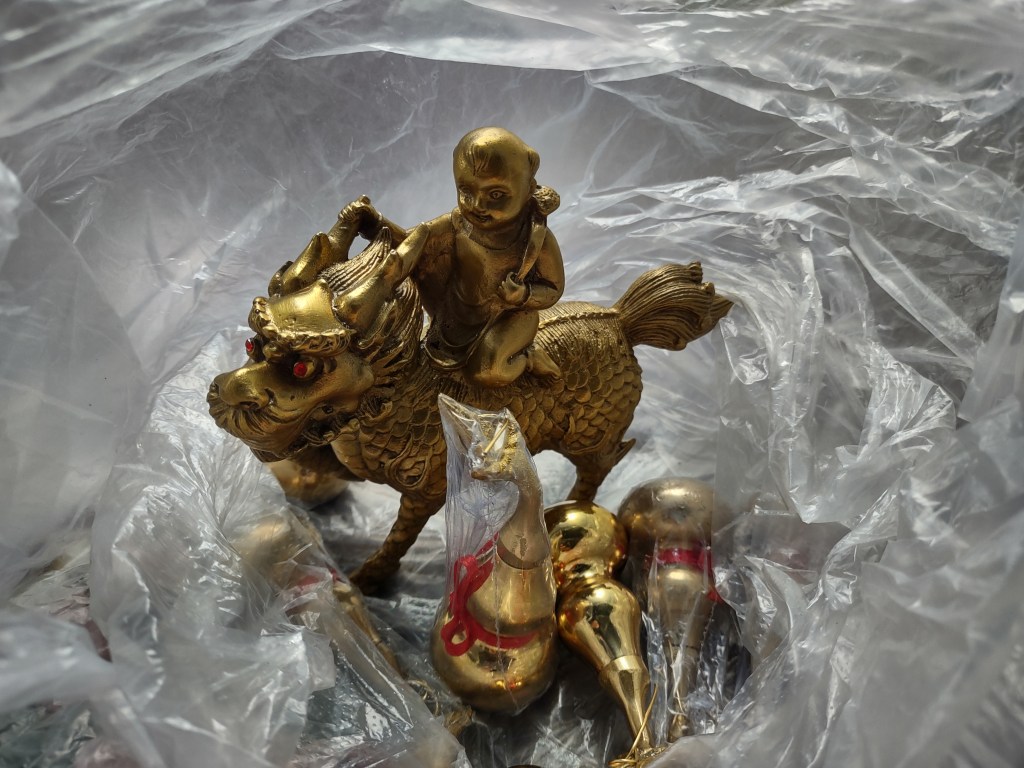
One day before the trip, I visited a Chinese horoscope reader with a friend. Although I’d heard about her a while ago, I hadn’t thought much about it until my IVF concerns drove me to seek some insight. The visit was disappointing. I couldn’t provide an exact birth time, only an estimated range between the Tiger and Cat hours, but she immediately concluded I was born in the Tiger hour. I hoped she would have used both potential birth hours to offer more accurate insights. She asked several yes-or-no questions to validate her readings. I then told her I wanted insights into my motherhood and marriage. It was no surprise when she quickly highlighted the problems she assumed I was having. Well, it’s not unusual for some psychics to magnify problems to make clients feel vulnerable and reliant on their guidance, but, I didn’t realize that during the visit. She emphasized I might face a divorce, and to prevent this, I needed to prepare for a ritual involving both a symbolic divorce and remarriage. She also pointed out that my bedroom was located above the kitchen, which was bad; I should move to a room on the same floor but across from the kitchen. For fertility, she instructed me to put a totem of a buffalo with a child riding it on the headboard; obtain a piece of a nail and a strand of hair from a child in a family with several children, and put them in seven gourd-shaped bottles (Hồ Lô). Moreover, she advised using various types of crystals somewhere in the room. Finally, she guided me to have my mom place red roses and some stuff on the altar and pray to the female goddess for support.
What she said seemed odd, but as someone seeking insights, I listened quietly. She then handed me a bag for the items. Without questioning whether I really wanted them, I just asked the price and paid her, though, very soon after, I had a gut feeling something was off. I tend to respond slowly when caught off guard. If she’d asked, “Do you want them?” I might’ve said no. Instead, she acted like she was giving me instructions I had to follow. At that time, I didn’t realized she was selling me Feng Shui items. I had never expected to encounter that at a psychic reading. How naive or silly I was!
Upon leaving the psychic’s house, my friend pointed at a fancy house across the street and mentioned that it also belonged to her. She explained that the psychic still works in the old, rundown house since it’s brought her good luck with money, and she wants to maintain that fortune. This experience made it clear to me how lucrative this type of business can be. Within half an hour, the psychic could earn much more than a high-paid medical professor or academic. Well, it’s difficult to compare earnings across different fields, I just don’t feel that her knowledge, values, or experience justify the amount of money she charged. It seems that she’s more skilled in business than in psychic work. Though the reading isn’t a pleasant experience, but it has taught me a lesson to always consider carefully before making a decision.
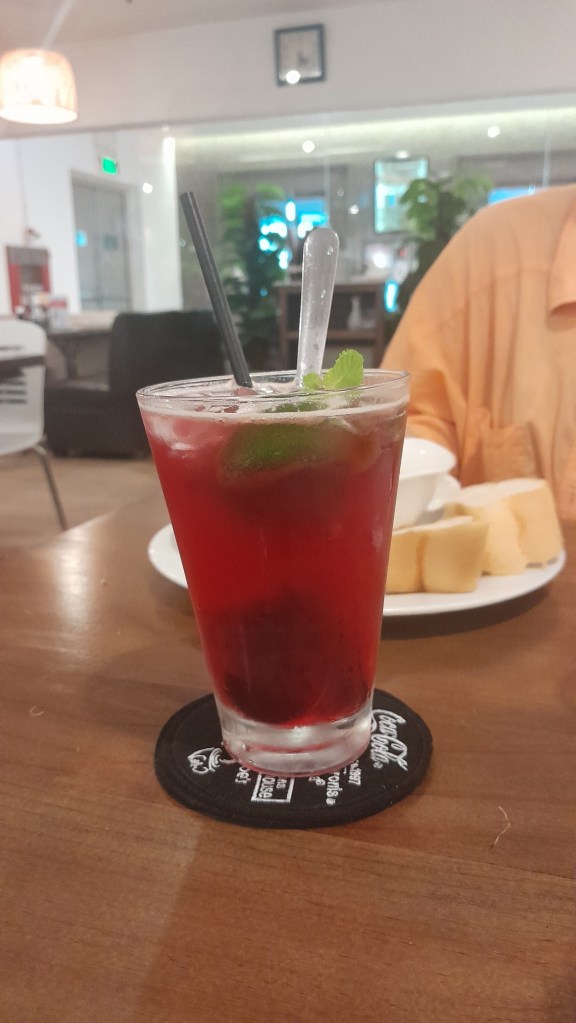
Later, I stopped at a restaurant for meatball noodle soup (Bún Mọc) and lemon tea. The soup was good, and the tea was perfect. I liked its bold tea flavor, unlike the other experience I had before, which tasted like lemonade. Next, I went for a walk to exercise on the way to LoBi cafe. I had never gone to this place but its spacious and inviting appearance captured my attention.
I ordered “Nâu nóng” (Vietnamese traditional hot coffee with condensed milk), as usual, and enjoyed my “me time” there. Half an hour later, a group of young guys came in and sat at a table next to me. They did a tarot reading. The man doing the reading seemed like a perfect match for the job. His manner, voice and tone reflect a flexible gender, which reminded me of fortune tellers or ritual hosts I saw in Vietnamese movies. Watching him inspired me to ask him for one myself. I thought this coincidence might have been the Universe’s way of answering my nightly questions. He agreed to the reading, and though it was fun, it didn’t provide much insight. I gave him a small amount of money to thank him for his time and left the cafe, buying a cup of tiramisu and a brownie for my mom, and a fried sticky rice ball for my dad. I also bought crispy roast pork but didn’t eat it as I had planned for dinner and a movie with my cousin.
She picked me up, and we went to Vincom Plaza. It was quiet, with only a few restaurants open. We had dinner at Alfredo; I had pumpkin and Tom Yum Thai soups, and she had deep-fried chicken and a platter of appetizers.
The soups helped with my jittery feeling from earlier coffee. We browsed the plaza and stopped by Annam Gourmet, a premium store known for its high-quality imported and local products. We picked up dried kumquat and rose apples (called “Mận” in the South or “Roi” in the North.)
They are naturally sweet and retain their true flavors but might be too sugary for some. We watched “Despicable Me 4,” an animated movie about Gru and his family. Gru’s old rival, Maxime Le Mal, seeks revenge and plans to kidnap Gru’s son. To protect his family, Gru relocates them to Mayflower under new identities. The movie centers on Gru’s battle with Maxime, with the help of whimsical and super-powered Mega Minions. It was fun, full of humor and clever antics that kept us laughing and feeling young. It provided a delightful and relaxing escape.
Overall, though I still couldn’t find answers for my concerns through psychic readings, I felt blessed by the experiences of the day.
There were arguments, frustrations and anger…Intense anxiety and raw fears…
I woke up, felt relieved, realizing that it was all just a dream. But a moment later, I sadly realized how often these fears (…) are present. But I’m not trying to fight them. What I can and should do well is to go inward and pray, which helps me stay aware of my fears without being overwhelmed.
…
No matter what happens, this journey will eventually end, and something new will start. Whether it turns out to be better or worse, it will be different. And a change is what I’m really after.
Saturday July 20th, 2024, we were on the way to Sam Son beach. It’s a popular destination for local tourists, mostly from nearby northern and central provinces. It’s about a three-hour drive from Hanoi.
My sister sponsored this trip. My mom was very excited about it because she loves to be photographed. From the day we planned it, she looked through her wardrobe everyday to pick out items that she could mix and match. I love how she does things, even the smallest tasks, with such diligence and without stress or intensity. I’m the opposite; I prefer to pack as little as possible that fits in my backpack. However, her enthusiasm made me want to prepare more myself. So, I packed nice clothes, skin care and make-up products, etc in case I wanted to look good in photos; all of them fit in my medium-sized suitcase. However, ironically, it’d been almost three days since I got there, I hadn’t worn any nice clothes. I was in shorts, tank tops and T-shirts, and wore flip-flops the whole time. It just takes too much energy to pull everything together for a good look: nice clothes, make-up, hair style, matching shoes and accessories. So, I decided not to bother and just focused on having a good time. I also hadn’t gone into the water because I had a procedure just over a week before. I wanted to avoid potential infections. Plus, the beach was super crowded, especially on the weekends, which made it less appealing to swim or relax there.
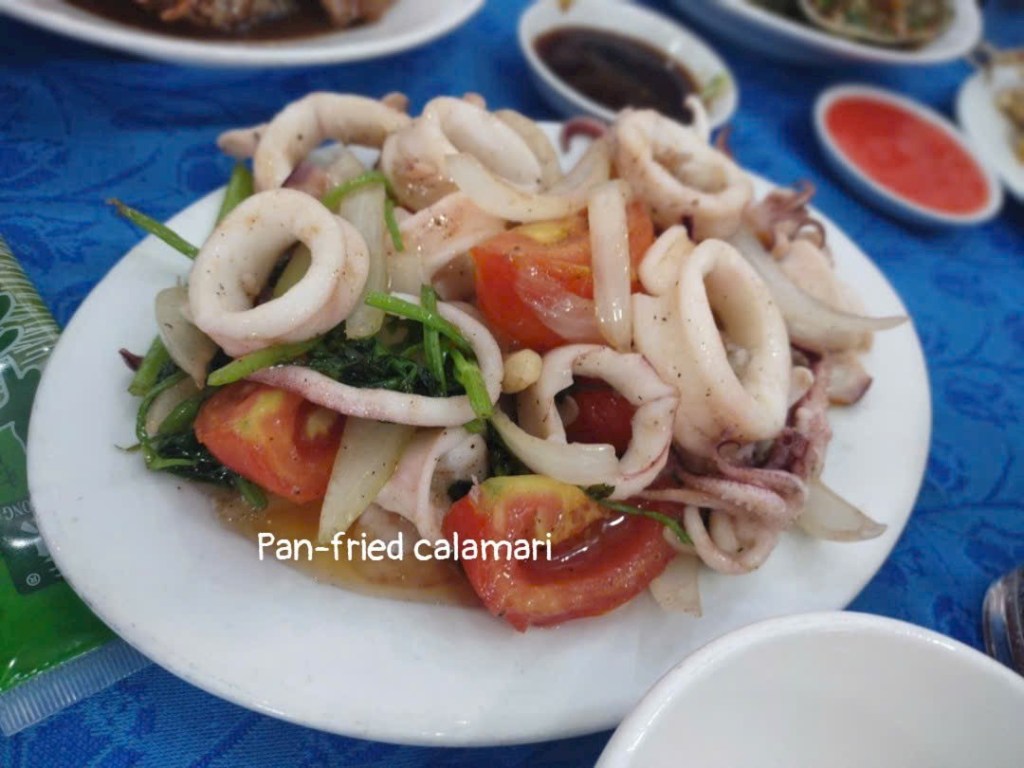
Despite not swimming, I still enjoyed the trip. I’m a big fan of seafood and interested in trying local dishes. The seafood there was so fresh. We ate crabs, clams, calamari, oysters, fish and mantis shrimp cooked in different ways. The mantis shrimp (“Bề bề” or “Tôm tít” in Vietnamese) was amazing and crawfish doesn’t even compare. This shrimp has much more meat, is easy to peel, and has a juicy texture. I think it’s always delicious, whether it’s cooked in any way or served on its own or with other foods. If this shrimp is marketed seriously, it could become even more popular than crawfish.
One evening, we stopped at a food stand famous for sweet soups, drinks and street foods. You can find all different types of sweet soups from all over Vietnam here. The soups are typically sweet and creamy, with various toppings such as tapioca pearls, jelly, nuts, fruits and other ingredients, depending on which soup you order. About street foods, they serve “Bánh xèo” (Vietnamese crepe). It’s loaded with a variety of ingredients, including shrimp, bean sprouts, carrots, onions and more. The crepes are cut into small pieces, ready to be wrapped in rice paper together with veggies and herbs. While I don’t know all their names, there are plenty, such as lettuce, mustard greens, cucumbers, and some exotic ones like ming aralia (đinh lăng), lolot (lá lốt), and skunk vine leaves (lá mơ). I love eating rolls though it takes a bit of time to make them ready. “Bánh xèo” is dipped in fish sauce, mixed to be sour, sweet, and spicy. I was amazed how delicious the food was the first time I tried it here, so I was really excited to go back. However, the second experience wasn’t as good as the first. “Bánh xèo” didn’t meet my expectations this time. It seemed like they’ve changed ingredients; I didn’t like the green beans and sweet potatoes that they added. Interestingly, while we were eating, it started raining hard. Since the place didn’t have a roof, we had to stand shoulder to shoulder at the covered counter and wait for the owner to set one up. The rain then lightened up and the roof was ready, we’d hoped to continue our meal. But soon, the rain intensified again. With the wind blowing it from the sides, the roof couldn’t keep all the rain out. To make matters worse, the electricity went out. I got a little wet, and we had to cut our dinner short and planned to head back to the hotel. But when we left, the rain stopped, so we went to AHA coffee shop instead to enjoy the rest of our evening.
We wanted to find a local cafe with some unique character instead of a chain like AHA, but the choices here are pretty limited. Just like 99% of the time when I visit a coffee shop in VN, I ordered “Nâu nóng”, a traditional hot coffee with condensed milk, rather than choosing other drinks. I love its aroma and sweet, bitter taste. Sipping it while chatting or just enjoying my time alone is a favorite activity of mine. However, due to a miscommunication, the order taker brought me an iced coffee. I told him about the mistake. He took the cup away reluctantly and returned with a different one. I was disappointed when the new coffee arrived because it looked different from the usual coffee I get at this chain – the color, texture, and even the cup.
I tried to stay positive, thinking maybe this is how they prepare condensed milk coffee at that specific place. I took a sip, but it was disappointing; the coffee wasn’t thick or rich, and the flavor was light. It seemed like hot water had been added to the original cup, or they just removed the ice, rather than making a fresh cup for me. I called another waiter and told him it was the worst coffee I had ever had at AHA. He took my cup away and returned with the correct one. Finally, I could enjoy the coffee, but I couldn’t drink much, especially Vietnamese coffee as it contains a lot of caffeine, which I should limit during my IVF treatment.
During our time there, we visited Sunworld water park, a temple and planned to see a water show, but it was canceled because the country’s leader had just passed away. So no public events were held during that period. We felt a bit disappointed as we were very excited for our parents to see the show, which I have never seen either. We also went to a play area at Hai Tien beach, around a 1-hr drive from Sam Son beach at night, but again it was closed. On the way there, we checked out several places to try local foods such as eel noodle soup, fried eel noodles and chicken salad. My sister even looked for grilled eggs but she wasn’t lucky. I’d tried them before in Saigon. The liquid inside an egg is extracted, mixed with salt, garlic, and pepper, and then injected back into the egg.
On the way back to Hanoi, we had lunch at Ba Cửa Restaurant in Ninh Binh, where we enjoyed goat meat.
I loved citrus-cured goat salad, grilled goat meat, and goat sausage. Well, too much protein throughout the vacation. We then drove back to Hanoi in the rain; it wasn’t as bad as we’d feared. We were expecting worse because of the storm forecast. It rained everyday while we were there, but whenever we needed to go out, it magically stopped. Overall, the trip was great, but there were a few things I didn’t like, such as a power outage at our hotel from the afternoon until 1 a.m., water hygiene concerns where we stayed, and a foul smell in some areas near the beach after the heavy rain. But above all, I truly cherish the time with my family, which is more precious than anything else I’ve experienced on the trip. I’m not sure when I’ll have another gathering like that. It reminds me of how important these moments are and how grateful I am for the chance to have shared them with my family.
10 IVF cycles (8 egg retrievals, 2 cancelled on days 8 and 9 of stimulations). The numbers say it all… Still hopeful but hopeless at the same time.
Not related, but it’s not easy living with fear—silent but turbulent at times. Bear it, embrace it, befriend it, and pray, knowing that things shall pass.
In the worst situations, prayer, compassion, and gratitude are my navigators through struggles and miseries, without whining, “poor me!”
Many English learners focus heavily on the articulators—tongue, jaw, mouth, lips, and throat. Yet, they still struggle to speak English naturally in various settings. A significant reason is their lack of awareness of breath control. Breath is a silent yet powerful tool for voice control, essential for smoothness, clarity, and consistency in speech.
Breath acts as a voice carrier; however, its role is usually overlooked by learners. Many mistakenly believe that sound is created by the articulatory muscles and therefore move them excessively in pursuit of clarity. This can result in a voice that sounds “too clear” but lacks smoothness. They also overuse the articulatory muscles in an attempt to project their voice louder, but this approach often produces an unnatural and strained voice. Such habit may lead to fatigue and potential long-term harm to the articulators. Some learners, in contrast, are ”lazy” to move the articulators, combined with short and shallow breath, causing a weak, inconsistent and unclear voice. Additionally, some individuals sound natural when speaking alone or in small groups; however they fail to maintain effortless and consistent speech in larger, louder environments due to improper breath control.
Having enough breath before speaking and knowing how to release it properly is crucial for voice control. Focus on breath rather than muscles. Let the breath carry the sound, and send the voice out on exhalation. You should always remind yourself to “open your throat” before speaking and maintain this openness throughout the speech. Breathing in helps open the vocal tract, position the tongue, and create more space at the back of the mouth. Once the articulators and their positions are set, maintain their stability and use breath to send the voice out.
First, inhale gently and slowly through the nose, avoiding aggressiveness or abruptness. Speak on exhalation. Inhale again before starting each new phrase or sentence. Speak on exhalation. This process repeats consistently and rhythmically: inhale, then speak (on exhalation).
Alternatively, breathe in through the mouth as if starting a small yawn. Speak at the beginning of the yawn. Do not wait until the yawn is complete as this will cause strain on the tongue root and narrow the throat and the back of the mouth.
In addition to proper inhalation, be aware of how to breathe out effectively because sounds glide on exhalation. Sound production is closely tied to the vibration of the vocal folds. If breath is ample but the vocal folds vibrate loosely, the voice will sound breathy or hollow. Conversely, insufficient breath and tense vocal folds stress the voice, making it sound small, dull, and rigid. Remember the vocal folds regulate airflows. It’s essential to maintain their flexibility and stability to achieve a smooth, clear, and natural voice. To understand more about how the vocal folds work, check it here.
This information may seem overwhelming at first, and practicing it can be challenging. You may have been so familiar with overusing the articulators instead of using breath to produce sound. Take time to practice, be patient, and resilient. Be attentive to the articulators, muscles, and breath. Overtime, you will become more sensitive to how these elements react and be able to gauge whether your voice sounds okay or require adjustments. Take notes on issues while practicing for review and subsequent addressing.
In summary, effective breath control is crucial as it serves as a voice carrier. Mastering it significantly improves vocal quality, promoting a smooth, consistent, and natural sound without straining the articulators. From my personal experience, being well-prepared with breath also greatly enhances a speaker’s demeanor—conveying relaxation, control, and full engagement in conversations.
In the previous post, I stated that having a proper American English oral posture will change your voice immediately, making it sound much more natural and reducing the influence of your native language accent when you speak English. Continuing the series “Unlock your American English Voice”, this post is going to focus on how to form a stable vocal tract by covering three critical components: the tongue position, throat openness and effective breath control. Understanding and mastering these elements can significantly enhance vocal stability and quality.
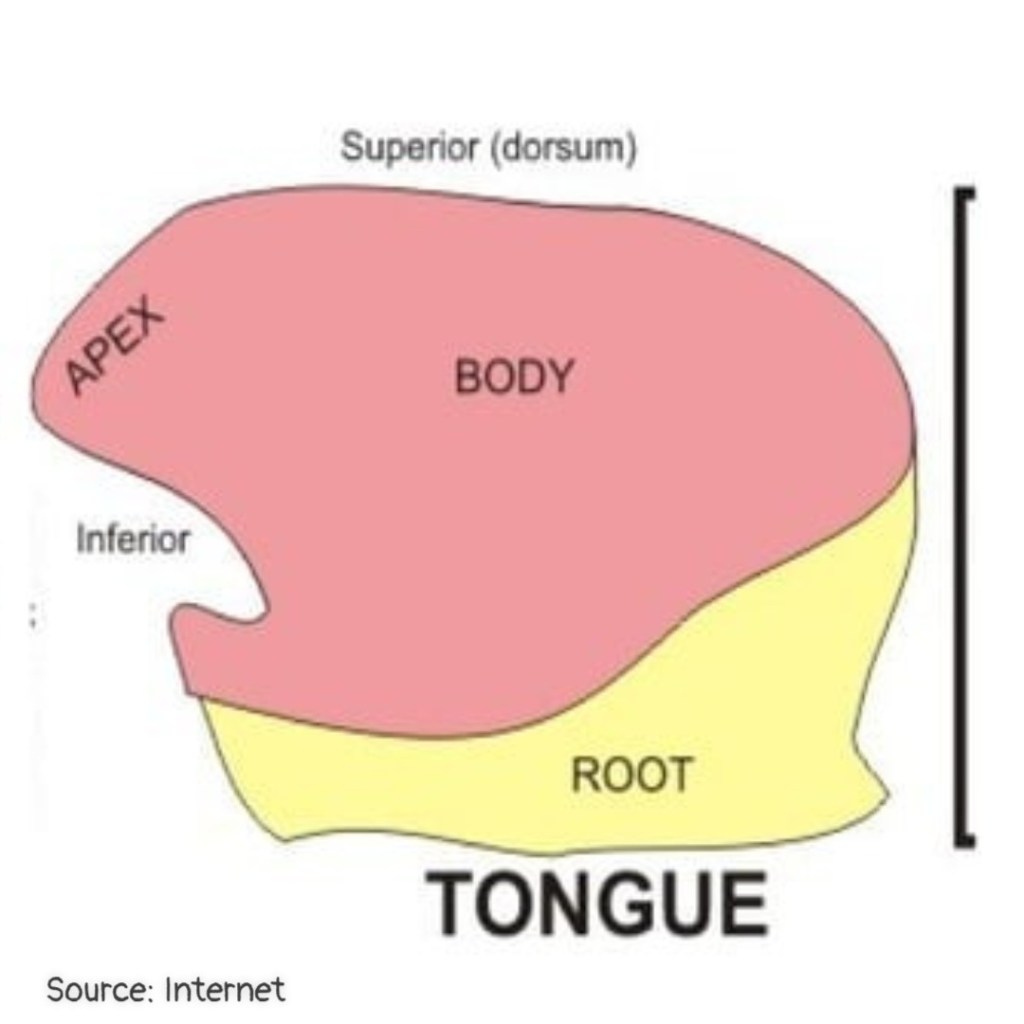
First, the tongue should be neutral and stand tall inside the mouth without strainingthe root. The relaxation of the tongue’s root is extremely important.Maintaining a tall tongue position without straining the root helps stabilize the oral posture. This standard position should be maintained throughout speaking with necessary adjustments for various phonetic units. Always balance between the height of the tongue and the relaxation of its root. If the tongue is tall but the root is tense, it will hinder the tongue’s movement. Breathing in or slightly moving the lips forward will help naturally raise the tongue.
The second main point is the throat openness. The throat should be open at all times while speaking. Think of the open throat as a gas tank, it contains breath needed for sound production. A “flat” or blocked throat means there’s no breath release, resulting in no sound. Achieving this openness shouldn’t involve excessive use of throat, neck, or surrounding muscles, as this will make the throat hard and rigid. Instead, the throat should be opened by inhaling. The practice should be smooth, gentle, natural, and effortless. The deeper the breath, the more open the throat becomes. However, please note that our goal is to open the throat, and inhaling is a way to achieve that goal. Therefore, do not force yourself to breathe in so deeply that causes the stiffness of your abdomen area and throat. The process of breathing in and out should be constant and flowy.
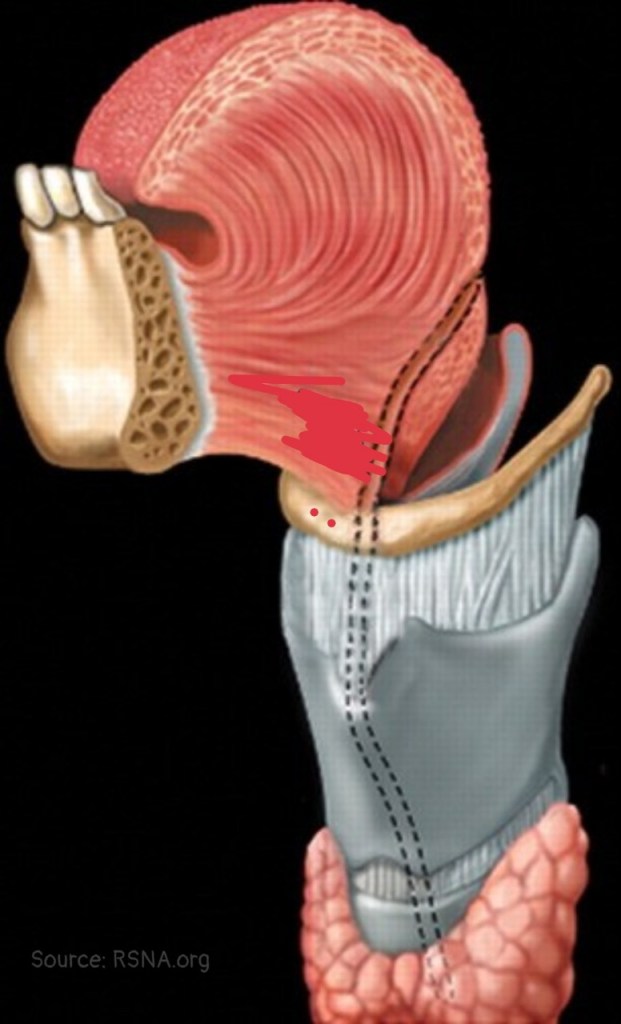
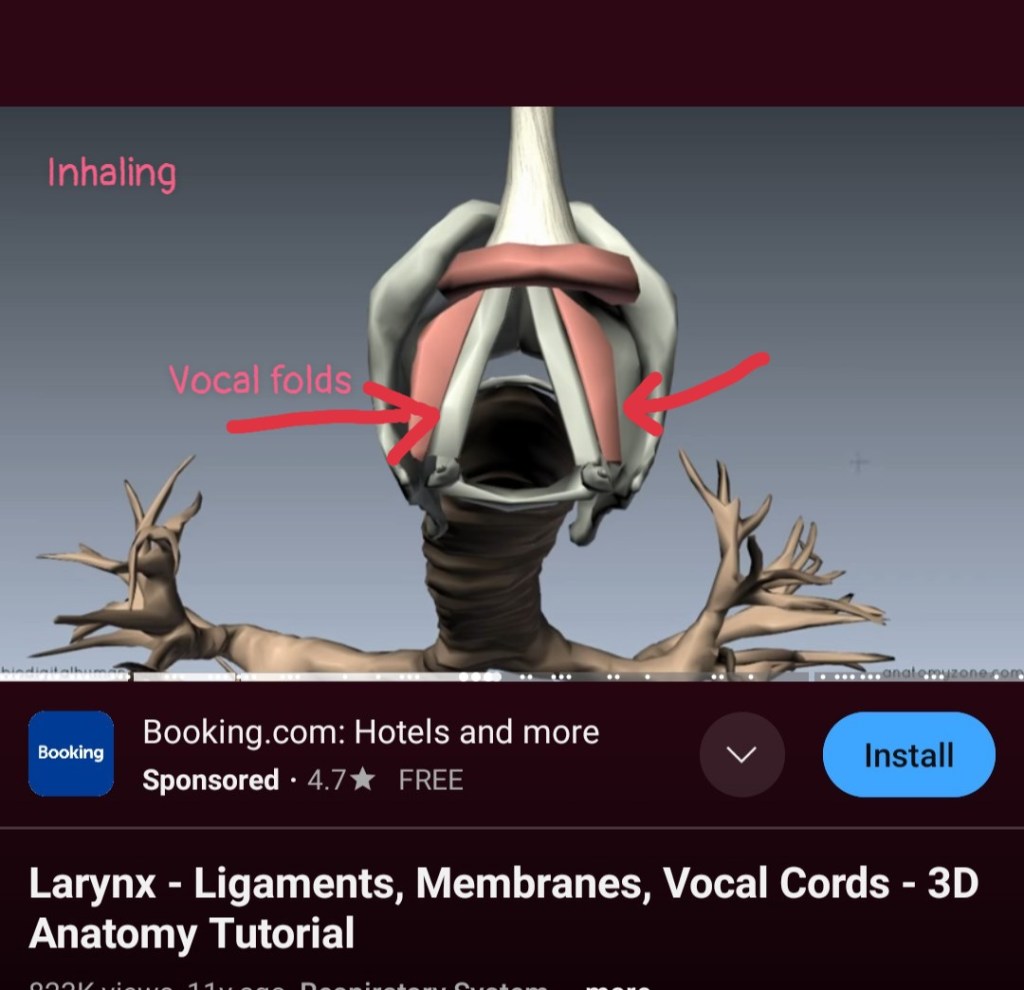
The third one is breath control. Having enough air is crucial to make sure it’s always available while speaking. However, how to release it properly between sentences is key to maintain a flowy, consistent voice. This breath control is closely related to the vibration of the vocal folds. The vocal folds are two muscular bands, located in the larynx in the throat. When you inhale, the vocal folds open, and then come closer vibrating upon exhalation. The focal folds function like the gate to decide how much air can come through. When the vocal folds aren’t tight enough, too much air will be released, resulting in a hollow, weak and breathy voice. In contrast, when they are too tight, only a very tiny string of air comes through, which causes overuse of surrounding muscles to be able to produce sound clearly. As a result, this will make your voice harsh, rigid and unnatural. Generally, in normal speaking, effective breath control involves using a very small amount of breath to vibrate the vocal folds and slightly tightening them to produce a strong and consistent voice.
Maintaining the standard tongue position, open throat, and breath control are essential to create a stable physical speaking environment in the vocal tract. Holding a drinking straw or a pencil between the teeth while speaking is a great exercise that helps stabilize the overall vocal tract.
In conclusion, achieving a fluent and consistent speech requires maintaining a stable physical speaking environment. This involves positioning the tongue neutrally and upwards, keeping the throat open, and effectively controlling breath. Mastering these principles can be challenging initially, but it’s a common experience when starting something new. Keep patience, regular practice, and attentive awareness of how your articulators, breath, and voice function during speech to make necessary adjustments, you will achieve your goal in speaking English naturally.
In American English, it’s important for your speech to be both smooth and clear. If you either overdo or underdo your enunciation, your voice will loose its smoothness or clarity. Even after balancing these aspects, maintaining a stable voice can be challenging. Having a proper oral posture plays a big role in acquiring characteristics of American English.
Think about a saxophone; it is a wind instrument similar to a flute, a trumpet, or a clarinet. However, one of the things makes its sound distinguished is its unique shape. Similarly, your oral posture will determine how close your English sounds to American English. Please note that sounding American is not the purpose of this writing; rather, the ultimate goal is to speak English naturally and effortlessly. However, I strongly believe that once adopting a proper oral posture, your voice will immediately change, becoming much less influenced by your native language accent.
The proper oral posture I’m mentioning here is not for each individual sound. It is the overall mouth shape that you should consistently maintain throughout speech. While it needs to adjust to accommodate different sounds, it should always return to its overall form between transition of sounds, even the smallest unit. A proper oral posture significantly helps your enunciation sound natural, smooth and clear in a stable way.
Here are three steps to form an overall mouth shape for speaking American English.
First, inhale deeply and slowly through your nose. Avoid being aggressive and straining the muscles of your throat, lips or mouth. This technique is called diaphragmatic breathing (or belly breathing, or abdominal breathing). When you breathe in, your diaphragm, a muscle in your belly, contracts and moves downward, causing an expansion to your stomach. Diaphragmatic breathing is the foundation of your voice. With more air in your lungs, it creates a well-supported, stable, consistent and energetic voice.
Second, hold the breath, gently move your tongue forward and upward by slightly moving your lips forward. Position the upper body of the tongue between the upper molars, with the tip of the tongue behind the bottom teeth. This is a standard tongue position that you should maintain throughout speech after any adjustment. Since the tongue moves a lot, ensure it has plenty of freedom and flexibility. Stay away from any pressure or strain on your tongue, especially its root. If you feel discomfort or notice the tongue pulling back, lifting too much, or moving too far forward, adjust its position.
Third, open your mouth by dropping your jaw slightly without changing the positions of the tongue and the lips. Americans typically don’t open their mouths wide or move them excessively when they speak. No matter how much the lower jaw drops, never slide the temporomandibular joints (TMJ), or the hinge joints beyond the normal range of motion for speaking. To find the right amount of jaw movement, place your fingers on the hinge joints, located in front of the ears, and gently move your jaw as if chewing without opening your mouth. The space between the upper and lower molars created by this movement is the standard degree of mouth openness.
Although these 3 steps are described separately, in practice, they occur rapidly and almost simultaneously.
In summary, achieving natural American English speech hinges on adopting a proper oral posture. This involves inhaling deeply, positioning your tongue forward and upward, and gently lowering your jaw. Believe me, once the overall mouth shape is formed, your voice will experience an immediate transformation, sounding more natural with an instant reduction in the influence of your native language accent.
In the morning, I attended two online classes back-to-back; staying focused for 3 hours straight with just a few minutes of break was challenging. Then, I had a simple breakfast of leftover fried rice made by my mom before taking meds. Was pretty unproductive after that.
In the afternoon, I booked a Grab motorbike to go to the hospital for acupuncture. The gloomy weather made me feel hesitant at first to go out, but still managed the trip. Booked another Grab ride to return home, enjoying some awesome discounts on my trip through the app.
For dinner, we enjoyed a special dish prepared by my dad, who takes great pride in his cooking skills, especially when it comes to traditional Vietnamese cuisine. His specialty tonight is called “Giả cầy”, a kind of stewed pork. The main ingredient is pork, preferably from parts like the feet, legs, or shoulders, which have a good amount of fat alongside lean meat. The fat from these cuts doesn’t taste greasy. The pork is marinated with various minced herbs, including a unique one with a distinct flavor, called galangal root. Additionally, the dish features a sour element called “mẻ”, a fermented product of cooked rice, providing a pleasant acidic flavor. Another key flavor comes from “mắm tôm”, or fermented fish paste. The combination of these three main stuff gives the dish its distinctiveness and makes it stand out from other stewed pork dishes. Oh, I almost forgot to mention that the pork skin is fire- roasted before stew. Traditionally and, still in rural areas, it is roasted with rice straw, giving it a smoky aroma. However, in cities, I guess people use a liquefied gas torch, which still guarantees the dish is cooked to perfection.
We typically pair this dish with a special herb called “lá mơ” (cheese leaves or skunk vine leaves), creating a wonderful mix of flavors. Today, we ate “Giả cầy” with rice noodles instead of rice. My whole family loved the meal and raved about how delicious it was.
After dinner, I went for a walk and encountered a group of preschool kids playing together. They greeted me, and when one little girl addressed me as “bác!”, it hit me: “Uhm..I already look old.” In Vietnam, we rely on age to address each other in social relationships. A female can call herself or be called either “em”, “chị”, “cô”, “bác”, or “bà” in various situations. If she is called “bác”, it means she is only younger than “bà”, but older than the rest. While using age-related terms shows respect, it can accidentally draw attention to age, especially for older women. In contrast, simply using “I” and “You” in communication in the US greatly helps avoid emphasizing age. One reason I still see myself as young there as the majority of people in my neighborhood and my social circles are older. My best American friends are seniors. But most importantly, in American culture, people don’t experience social pressure growing old.
P/S: In friendships, if someone is called “Bà”, it doesn’t mean she is very old; it’s simply a friendly form of address.


































 Begin life at forty