IVF’s been one of the most difficult experiences of my life—emotionally, physically, and financially. Along the way, I’ve learned so much, and there are so many things I wish I’d known before starting. If you’re preparing for or currently going through IVF, I hope what I’m sharing can help you navigate this journey with more confidence and peace.
Please remember that this is all based on my own experiences. Be sure to talk to a professional for medical advice.
1. Prioritize Your Well-Being
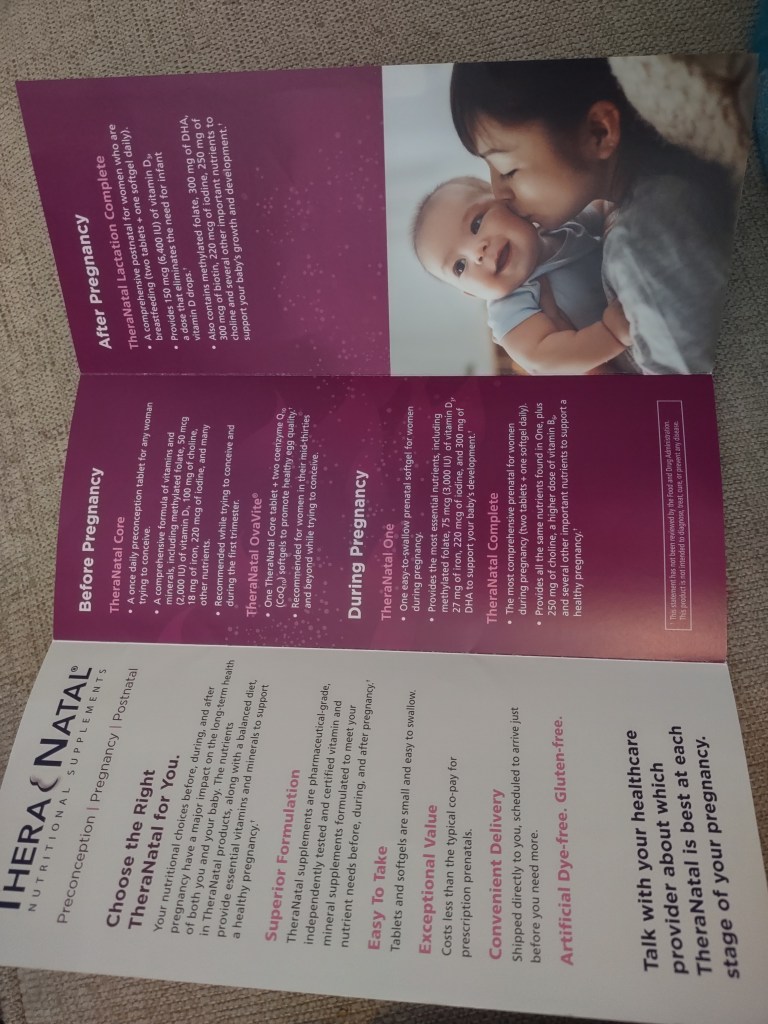
When you first start IVF, you have no idea how much it will take out of you—physically, mentally, and emotionally. That’s why at least three months of preparation is essential to improve your overall health. Stay active, eat well, get enough sleep, manage stress, and take the right supplements. IVF is a long, unpredictable journey filled with highs and lows, hope and despair, excitement and disappointment—all at once. It can also put a strain on your marriage, work, and relationships. Prepare for the challenges, but don’t lose hope. Stay grounded and balanced.
2. IVF Doesn’t Guarantee a Baby
When we first consulted our doctor, we were diagnosed with unexplained infertility. She told us we had an 80% chance of bringing a baby home after three rounds of IVF. With that in mind, I started the process thinking it would be a smooth journey, feeling hopeful and optimistic about the outcome. But reality hit hard.
My body’s responses to meds were extremely poor. It was so difficult for us just to get a single good egg. After ten cycles—eight egg retrievals and two cancelations on day eight and nine of stims—we were left with only three Day-3 embryos, graded poor and fair. And I have never made it to a transfer. Moreover, the longer the journey went, the more health issues occurred—giant follicles, hormonal imbalances, endometriosis, uterine inflammation—all along with the overwhelming exhaustion, the feeling of being lost and losing a sense of myself.
Of course, some people succeed on their first try, but many go through multiple rounds and still end up in failure. Everyone’s journey is different, I truly hope yours is smoother than mine but remember the harsh fact that IVF is never a guarantee.
3. Be Prepared for a Long Process
In the U.S., it can take months just to start your first IVF cycle, and many people go through multiple cycles before they see success. Prepare yourself for setbacks and delays since there are so many unpredictable things in the way— large baseline follicles, hormonal imbalances, polyps, fibroids, inflammation, endometriosis, poor medication responses, immature eggs, failed fertilization, no blastocysts, or uneuploidy—the list goes on. IVF is a marathon, not a sprint. Stay resilient, and keep going.
4. IVF is expensive
IVF is expensive, with the average cost ranging from $17,000 to $22,000 (using your own eggs). And that doesn’t include general health checkups, initial blood tests, consultations, additional procedures like hysteroscopy or uterine sonography, supplements, or other complementary treatments.
Check with your health insurance to see if it covers all or part of the costs (e.g., meds or monitoring).
5. Expect health risks and changes during IVF
As I mentioned earlier, things can change during IVF, making the process even more challenging—especially if it stretches over a year. Your AMH may drop, FSH may rise, baseline follicle counts may decrease, and issues like cysts, fibroids, polyps, or inflammation can appear. Don’t be discouraged or lose hope. These are obstacles, not the end of the road.
6. The Significance of Egg Quality in IVF Success
For men, doctors can often work with even low-quality sperm—even with 100% abnormal morphology—thanks to ICSI technology and their expertise. But for women, factors like egg quality, response to medication, and overall reproductive health play a much bigger role in IVF success. I was told that women account for about 80% of the outcome, but sperm health still matters, especially when it comes to embryo development from day three. Take this information with a grain of salt though.
7. Sperm Fragmentation:Test or Not?
We didn’t do a sperm fragmentation test because the embryologist explained that even if the results showed an issue, there wasn’t much we could do to fix it. Instead, they focused on selecting the best-looking sperm for fertilization, hoping that choosing a healthier one would help reduce fragmentation.
8. Birth Control Pills before Stimulation: Good or Bad?
There’s no clear answer to this. Birth control pills are a controversial topic in IVF. Some clinics use them to regulate cycles before starting treatment. While they help some women, they can also suppress ovarian function, especially in older women. In my case, whether I took them or not, my body still responded poorly to stimulation drugs. But when had a choice, I preferred to skip them.
9. High FSH Isn’t the End of IVF
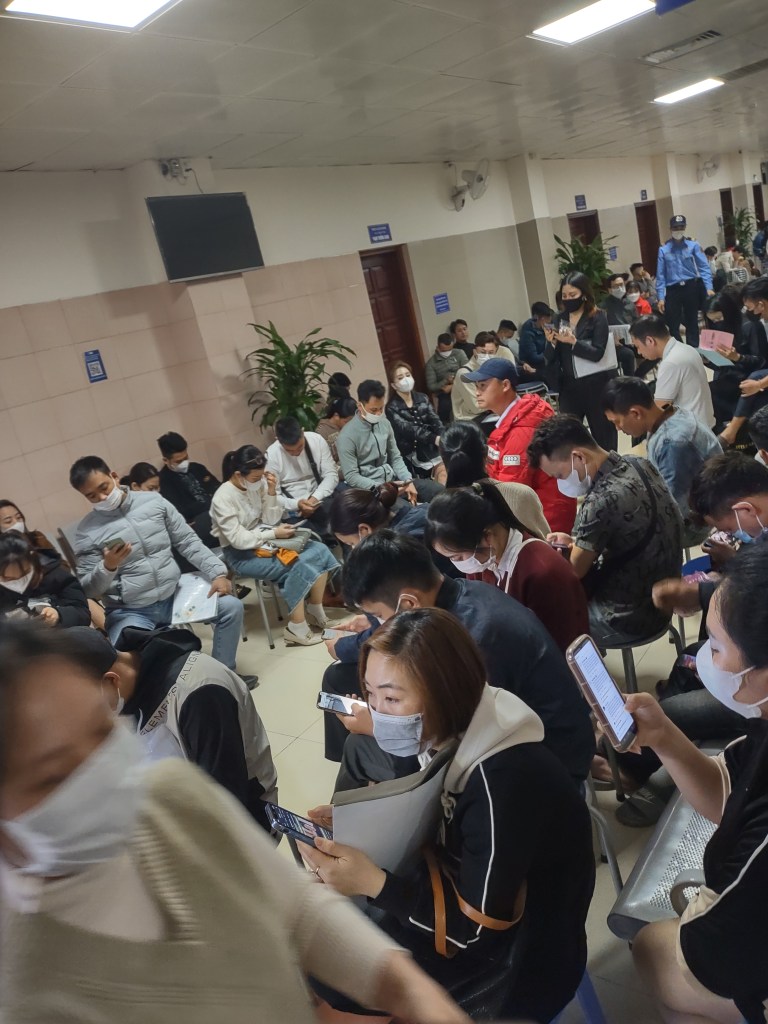
When my FSH was 15.9, a Vietnamese doctor told me I should wait at least three months before starting IVF. He briefly mentioned that with such a high FSH, my IVF would never succeed. FSH levels should be below 15, and ideally be around 10 on day 3 of your menstrual cycle. This hormone, released by the pituitary gland, stimulates follicle growth. When FSH is high, it means your follicles are struggling to grow, and your body is working hard to make them. This can signal that your body may not respond well to stimulation drugs, as it’s already trying hard. While FSH can fluctuate, doctors tend to treat a high level as a constant for planning treatment.
He’s right that my IVF hasn’t been successful so far, but I don’t believe FSH is a cause, especially not the only one for the failure. After all the efforts, I just feel like I haven’t been lucky. Honestly, my main IVF doctors and several others weren’t too concerned about my elevated FSH. It’s just one of the puzzle when assessing your ovarian reserve. They focused more on AMH—Anti-Mullerian Hormone and especially AFC—the baseline follicle count. AMH indicates how many immature follicles you have left, and the more you have, the higher your chances of retrieving more eggs in a cycle, which is a goal in IVF.
My failure doesn’t represent all cases with high FSH. Many of those are successful though.
My experience doesn’t represent everyone with high FSH. Many people with elevated FSH still have successful IVF journeys.
10. Don’t Obsess Over Statistics
It’s easy to fixate on numbers—success rates, hormone levels, follicle counts—but IVF is very individual. Some people with “bad” numbers get pregnant, while others with “perfect” numbers don’t. Focus on your own journey.
11. Supplements & Complementary Therapies have controversial benefits
Acupuncture, herbal medicine, and supplements can support overall health, but in IVF, their benefits aren’t clear and often debated. In VN, doctors usually don’t put much weight on those, they mainly focus on the treatment protocols.
12. Don’t Panic If Your Stimulation Injections Are Late
I used to stress about getting my injections on time and would panic if I was even a little late. But my IVF doctor in Vietnam seemed more flexible about it. Sometimes, if I had to wait for monitoring visits, the nurse would administer the injections a few hours later than scheduled
However, the trigger shots always need to be on time.
13. Proper Medication Storage In Fridge
Please note that not all the meds need to be stored in the fridge. Follow your doctor’s instructions.
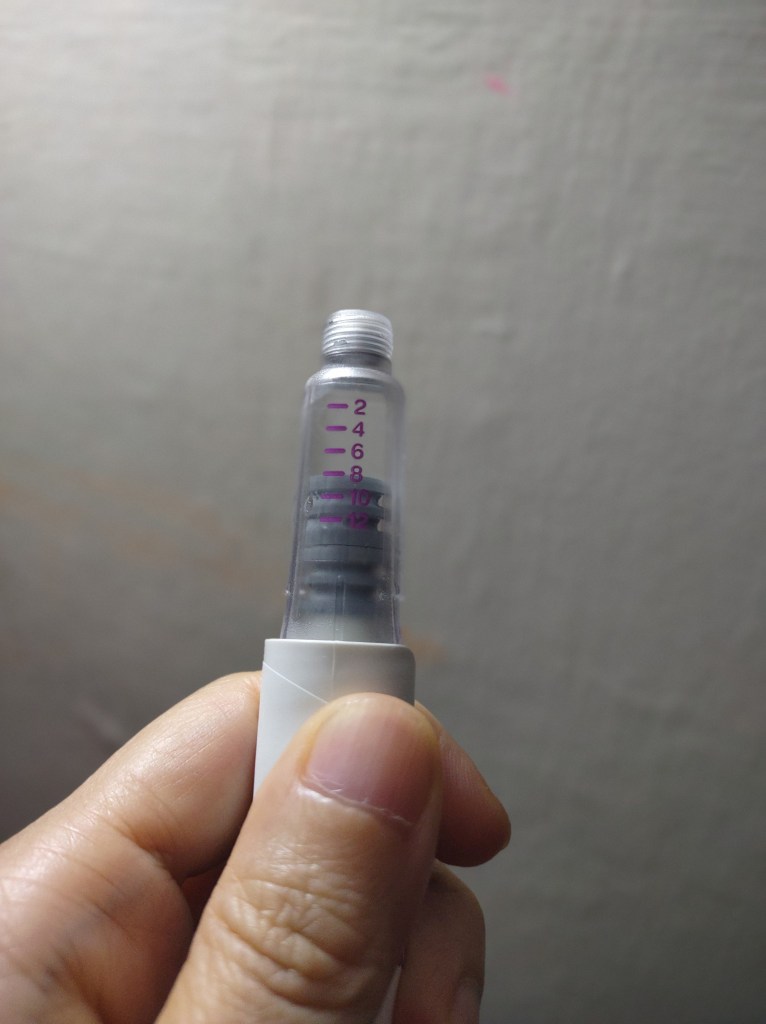
I didn’t fully trust my fridge. Though the temperature was set, it could fluctuate depending on where the meds were placed and how often I opened the door. It would get much colder if I opened it after a day or two. Using a thermometer really helped me keep the meds at a consistent temperature. I placed both the thermometer and the meds in the center of the fridge, where the temperature is most stable. I checked it daily, especially after overnight, when the temperature tended to drop, just to make sure the meds didn’t get too cold or freeze.
14. A Large Follicle at Baseline Ultrasound doesn’t stop you proceeding with IVF
As long as your hormones are normal, you can start stimulation. In some cases, your doctor may want to inflate it before stimulation. In case you don’t feel comfortable doing IVF in that cycle, you can wait for the next one. Sometimes, large follicles go away on their own, or your doctor may put you on birth control pills for a length of time to help “quiet down” your ovaries.
15. Poor Ovarian Reserve Doesn’t Mean Zero Chance
Low AMH, high FSH, or a small follicle count makes IVF harder, but not impossible.Many women with poor ovarian reserve still get pregnant.
16. Having Many Follicles Doesn’t Guarantee Success
Egg quality, fertilization, and embryo development matter just as much.
A high follicle count and normal hormone levels are great, but they don’t guarantee success. Egg quality, fertilization, and embryo development are just as important.
17. Quality Over Quantity in IVF
Women aged 38-40 are expected to collect 8-10 eggs in one retrieval for a successful IVF cycle. While having more eggs increases your chances, many women still get pregnant with just one healthy egg. I truly believe quality matters more than quantity. Don’t be devastated if you end up with only a few eggs or embryos—you never know how your IVF journey will unfold.
18. Buy Medications As Needed
Buying all your medications upfront may seem like a good idea to avoid worrying about running out, but IVF is so unpredictable that you could end up having to stop the cycle at any point. So many factors can affect whether you can continue—like insufficient baseline follicles, a poor response to stimulation, large follicles, polyps, cysts, or hormonal imbalances. If that happens, you might end up wasting unused medications, especially if it’s your last cycle, since pharmacies typically don’t accept returns. IVF medications are expensive, easily reaching around $7,000 for long stimulation days and high doses. Therefore, buy enough medications as you go will avoid wasting money on unused drugs. You will need to keep track of your IVF calendar, leftover meds, and shipping schedules to order more.
19. You Can Cancel an Egg Retrieval If Needed
If your cycle isn’t going well, you have every right to cancel the retrieval rather than go through with a potentially unsuccessful cycle. Talk to your doctor to see if it makes sense to wait for a better cycle.
20. Think Carefully About Genetic Testing with Few Embryos
Genetic testing requires embryos to reach day 5, but only half of them (even less than that) will make it that far. So, if you only have a few embryos, you might want to consider skipping this step and doing a fresh day-3 transfer instead, as long as your health allows for it.
21. Day 3 vs. Day 5 Transfer?
Day 5 embryos have a better chance of implanting. But if you just have few embryos, you may not want to take risks losing them, as about half of the embryos don’t survive to day 5.
Sometimes, embryos just grow better in the womb than in the lab. Talk to your doctor to determine the best option for you.
22. Fresh vs. Frozen Transfer?
It really depends on your preferences and health conditions, they are both effective. However, sometimes frozen embryos don’t survive after thawing. The risk is low, though, especially with today’s advanced technology and labs.
23. Freezing egg or embryos?
If you’re around 40, banking embryos is usually a better option than banking eggs. At this age, both egg quality and quantity decrease significantly, and you don’t want to risk losing even more during the thawing process.
23. Take Breaks When Needed
IVF can be really draining. If you’re feeling emotionally or physically worn out, taking a break might help. Studies show that around 17%-26% of couples conceive naturally after failed IVF. You never know a little pause might lead to a miracle.
24. Consider IVF Abroad or in Another State
IVF costs vary greatly by location. For example, online search found that CNY Fertility in Colorado and New York offers one cycle for as low as $5,000 (ICSI and anesthesia included). Countries like Mexico and Vietnam also provide high-quality treatment at a reasonable price. Some clinics even have refund programs if the treatment doesn’t succeed.
25. Look for Jobs with Fertility Insurance
If IVF is in your future, it’s worth looking for jobs that cover fertility treatments. It could save you tens of thousands of dollars.
26. Be Kind to Yourself
It’s easy to be hard on yourself during IVF—blaming your body, second-guessing your choices, and feeling guilty that you might not have done enough. This journey is already challenging enough without adding that pressure. Embrace yourself with generous compassion.
In conclusion, IVF is unpredictable. It requires patience, resilience, and self-compassion. Take care of yourself and trust your instincts. Never lose hope but be realistic. Whether your IVF journey ends in success or not, the most important thing is that you’ve done everything you could and can move forward without guilt or regret.





































 Begin life at forty