In the previous post, I stated that having a proper American English oral posture will change your voice immediately, making it sound much more natural and reducing the influence of your native language accent when you speak English. Continuing the series “Unlock your American English Voice”, this post is going to focus on how to form a stable vocal tract by covering three critical components: the tongue position, throat openness and effective breath control. Understanding and mastering these elements can significantly enhance vocal stability and quality.
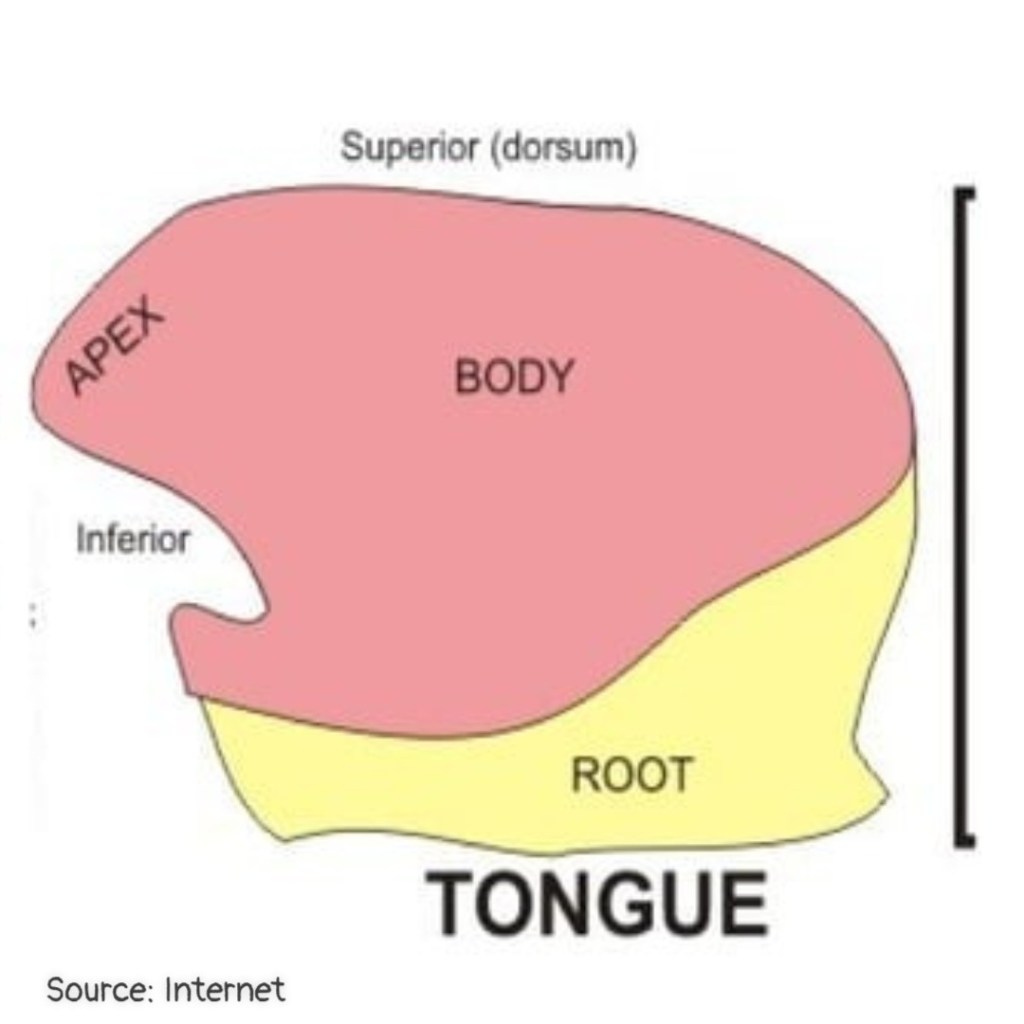
First, the tongue should be neutral and stand tall inside the mouth without straining the root. The relaxation of the tongue’s root is extremely important. Maintaining a tall tongue position without straining the root helps stabilize the oral posture. This standard position should be maintained throughout speaking with necessary adjustments for various phonetic units. Always balance between the height of the tongue and the relaxation of its root. If the tongue is tall but the root is tense, it will hinder the tongue’s movement. Breathing in or slightly moving the lips forward will help naturally raise the tongue.

The second main point is the throat openness. The throat should be open at all times while speaking. Think of the open throat as a gas tank, it contains breath needed for sound production. A “flat” or blocked throat means there’s no breath release, resulting in no sound. Achieving this openness shouldn’t involve excessive use of throat, neck, or surrounding muscles, as this will make the throat hard and rigid. Instead, the throat should be opened by inhaling. The practice should be smooth, gentle, natural, and effortless. The deeper the breath, the more open the throat becomes. However, please note that our goal is to open the throat, and inhaling is a way to achieve that goal. Therefore, do not force yourself to breathe in so deeply that causes the stiffness of your abdomen area and throat. The process of breathing in and out should be constant and flowy.


The third one is breath control. Having enough air is crucial to make sure it’s always available while speaking. However, how to release it properly between sentences is key to maintain a flowy, consistent voice. This breath control is closely related to the vibration of the vocal folds. The vocal folds are two muscular bands, located in the larynx in the throat. When you inhale, the vocal folds open, and then come closer vibrating upon exhalation. The focal folds function like the gate to decide how much air can come through. When the vocal folds aren’t tight enough, too much air will be released, resulting in a hollow, weak and breathy voice. In contrast, when they are too tight, only a very tiny string of air comes through, which causes overuse of surrounding muscles to be able to produce sound clearly. As a result, this will make your voice harsh, rigid and unnatural. Generally, in normal speaking, effective breath control involves using a very small amount of breath to vibrate the vocal folds and slightly tightening them to produce a strong and consistent voice.
Maintaining the standard tongue position, open throat, and breath control are essential to create a stable physical speaking environment in the vocal tract. Holding a drinking straw or a pencil between the teeth while speaking is a great exercise that helps stabilize the overall vocal tract.
In conclusion, achieving a fluent and consistent speech requires maintaining a stable physical speaking environment. This involves positioning the tongue neutrally and upwards, keeping the throat open, and effectively controlling breath. Mastering these principles can be challenging initially, but it’s a common experience when starting something new. Keep patience, regular practice, and attentive awareness of how your articulators, breath, and voice function during speech to make necessary adjustments, you will achieve your goal in speaking English naturally.
 Begin life at forty
Leave a comment