Improving overall health, especially fertility health, is an important part of the IVF journey. While I always believe that a healthy diet, regular exercise, and managing stress are the best foundations, I also took a variety of supplements and tried different therapies before and during my cycles. Most were recommended or prescribed by my IVF doctors, but some I discovered through my own research or from friends.
Honestly, I don’t think any supplement or therapy is a magic fix—they’re just small pieces of a much bigger IVF picture. We try them, we hope they help, but there’s no guarantee. Everything I’m sharing is based on my own experience, so please take it with caution and consult with your doctor. To be honest, their benefits (and side effects) weren’t obvious to me, but they might be for you. Every body is different and responds in its own way.
1. Conventional Supplements
Recommended to start taking supplements at least three months before IVF to help prepare the body.
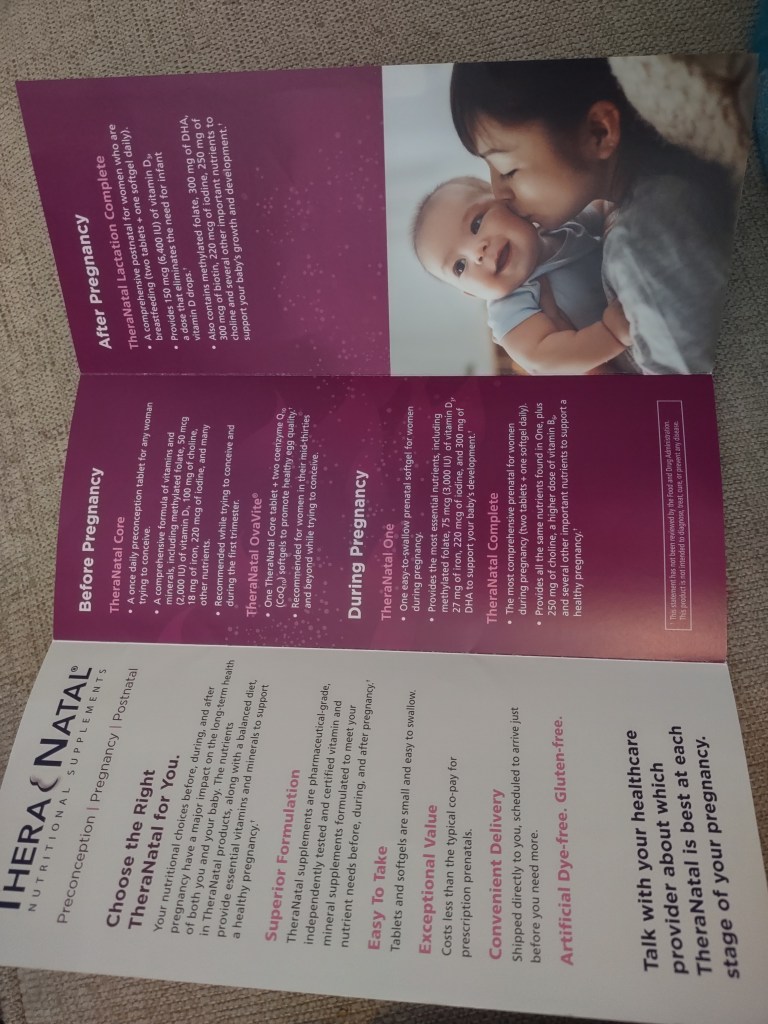
Theralogix Prenatal Vitamins: 1 tablet per day
This prenatal vitamin is packed with essential nutrients to nourish the body. Compared to other brands, it has higher amounts of key nutrients, making it more comprehensive. One standout ingredient is choline, which plays a crucial role in supporting the baby’s brain and spinal cord development. The downside? It oxidized pretty easily, and once that happened, the smell was really unpleasant. I haven’t taken it in over a year, so I’m not sure if the newer version has been improved.
Theralogix Fish Oil: 3 softgels per day
Each softgel contains 1000 mg of fish oil, including 400 mg EPA, 300 mg DHA, and 750 mg Omega-3s. It’s great for supporting the immune system, reducing inflammation and pain, and promoting heart, brain, and joint health.


Theralogix NeoQ10: 2 softgels per day
Each softgel contains 6.7 mg of vitamin E and 125 mg of natural coenzyme Q10, a powerful antioxidant that helps support egg quality (and sperm quality too).
Theralogix Ovasitol: Taken as directed on the label
This supplement contains myo-inositol and d-chiro-inositol, which help balance hormones and improve ovulation.
DHEA: 75 mg per day (store brand)
DHEA is a hormone that helps improve ovarian function and the body’s response to stimulation drugs. It’s also known to support sperm production and quality in men.
Tru Niagen: 1 capsule per day
This supplement contains NAD+, a coenzyme that helps power metabolism and cell rejuvenation.
Bio-D-Mulsion Forte (Vitamin D): 2000 IU per day
I took extra vitamin D due to my chronic vitamin D deficiency. It plays a key role in reproductive health—it helps regulate the menstrual cycle, improve ovulation, enhance egg quality, and reduce inflammation. Before starting IVF, my doctor had me take a blood test to check my vitamin D levels.
2. Herbal Supplements
I was prescribed a combination of herbal medicine, which included 15 tablets per day and two liquid packets. These contained a blend of various herbs such as ginger, turmeric, cardamom, fennel seeds, lotus seed embryos, dried citrus peel, jujube, and ginseng. They were meant to support the immune system, reduce inflammation, improve blood flow, and promote cell rejuvenation. I took them for three months before starting the stimulation phase.
3. IVF Complementary Non-Medicinal Therapies
Acupressure & Reflexology
I had acupressure and reflexology (foot massage) twice a week. These therapies are believed to improve blood circulation, balance hormones, and reduce stress. Personally, they were a huge help in keeping me mentally and emotionally grounded throughout the process.
Acupuncture
I had acupuncture every day except Sunday at Vien Cham Cuu Trung Uong (National Acupuncture Hospital), with an acupuncturist, who has a PhD. (In VN, an acupuncture license can be obtained after just six weeks of study – online sources). Acupuncture is known to help improve hormone balance, enhance blood flow, and reduce stress.Some people might not enjoy acupuncture because of the discomfort from the needles, but I absolutely loved the experience. The slight discomfort only lasted a few seconds, and the rest of the session was incredibly relaxing and soothing. I often slept during the treatment and woke up feeling like a completely different person—much lighter and fresher. All the heaviness and tiredness vanished, and I felt like that half-hour nap was more restorative than my nighttime sleep.
Red Light Therapy (RL)
I used Red Light Therapy (RL) alongside acupuncture. It helps warm up the uterus, improve blood flow, and promote relaxation. While you can buy RL machines to use at home, I’ve never tried them myself.
These therapies are commonly used in the US as complementary treatments alongside IVF. In VN, while they are much more affordable and widely used, they are typically focused on relaxation or relieving joint and bone pain. Acupuncture is the only one that’s sometimes used for purposes like supporting implantation, regulating periods, or helping with embryo transfer, but it’s not specifically tailored for IVF, especially before and during stimulation. When I shared my purpose with the practitioners, they were a bit surprised, but they were very supportive, and I trusted their expertise and flexibility.
Honestly, I didn’t expect these therapies to directly solve my infertility issues. No single approach is guaranteed—it’s all about trial and error. I was open to all possible complementary therapies with careful consideration about potential risks. While the IVF benefits of these treatments were uncertain, they did wonders for my emotional and mental well-being.
4. Advanced IVF complementary therapies
PRP (Platelet-Rich Plasma) Injections
For more details, check out this link: IVF Cycle 8
Human Growth Hormone (HGH) Injections
For more details, check out this link: IVF Cycle 9
Glutathione IV drips
For more details, check out this link: IVF Cycle 10
5. Diet and Exercise for Fertility
Diet
My basic rules were balance, variety and flexibility. I’m not a picky eater. I ate a little bit of everything but was mindful of my portions. I focused on whole foods, foods high in antioxidants, and mostly cooked everything from scratch. That said, I didn’t force myself to eat what I didn’t like. There’s always an alternative! E.g., I’m not a fan of avocados, salmon or nuts, I found alternatives that worked for me, like olive oil, sunflower seeds, pumpkin seeds and other types of fish and shellfish.
I avoided processed foods with unhealthy fats, preservatives, and additives as much as possible, but I didn’t rule them out entirely. I rarely ate deep-fried foods or grilled meat, but that’s more about my personal preference, so it wasn’t hard to stick to. One great thing is that my everyday Vietnamese food is already balanced and varied, so I didn’t have to try too hard. Some people swear by the Mediterranean diet, which is also known to support fertility. Pick one that you like and find suitable. Nutrition is important, and so is enjoying your food. It’s all part of nurturing your emotional health.
There were certain foods I enjoy but had to limit or avoid, like pepperoni, salami, salted pork lard, butter, and animal organs, which are high in cholesterol. I was also careful about foods that could potentially contain harmful substances, like mercury in some fish and snails. I had to cut back on my caffeine intake too, even though I love coffee and tea. Sometimes, I really wish I could eat whatever I like without worrying about ingredients or whether I’m consuming too much.
When I started IVF, my BMI was 20, which was within the normal range (19-25). However, my doctor still encouraged me to increase my body fat, as she believed fat played an important role in regulating hormones and ovulation. While this is generally true, it didn’t seem to apply to me, as even with a BMI of almost 22, my IVF results didn’t improve much. I’ve also seen people who were much thinner succeed easily. Well, age always matters, I think.
I didn’t stick to any specific type of exercise. I just tried to be physically active everyday and avoid intense movements. Basically, I focused on improving blood flow and avoided putting pressure or stress on my lower abdomen.
In general, IVF’s been a journey of trial and error for me. Despite all my efforts, unfortunately my results have been very poor so far with only three day-3 embryos after 8 ERs and I haven’t done a transfer yet. But I hope what I’ve shared is useful and might work better for you.
 Begin life at forty