Tag: HGH

  • Failed IVF Cycle 10

    During this time, I started to consider the option of using donor eggs. I wasn’t entirely sure about this path, but I wanted to gather some information and start preparing. In VN, finding egg donors is pretty easy. Many services help with the entire process, from selecting donors to handling the egg retrieval. The cost for eggs from young, tall, good-looking donors who are students from prestigious colleges is around 45 million VND (~$1800).

    The service provider is responsible for verifying the donor’s identity, criminal records, medical history, and other necessary documents to ensure they are clean. It sounds perfect, though I’m not sure about how legitimate the process is, as it’s not uncommon for documents to be fake.

    I also talked to my cousin and asked if she would consider donating her eggs. She was incredibly kind and agreed to help me.

    However, with the positive result from the ninth cycle, I wanted to build on that progress. As I mentioned in my post about the ninth cycle, the next cycle was still within the window where PRP and HGH were still effective, so I didn’t want to miss this opportunity.

    For the tenth cycle, I needed more HGH. However, due to the high demand and scarcity of the drug, I had to pay extra.

    I had also been getting acupuncture six days a week and tried Glutathione drips. This drug is available in oral, injection, or drip and is commonly used for patients recovering from cancer treatments or with liver inflammation for detoxification. It is also used in the beauty industry for skin brightening. In IVF, it’s believed to potentially improve the quality of eggs and embryos.

    The benefits of the medication aren’t clear, and opinions on it vary. But with IVF, it’s often a process of trial and error, and the results are uncertain. The protocols and methods used depend heavily on the doctor’s experience and personal approach. I just wanted to try everything possible to hopefully improve the outcome.

    In VN, I bought this drug directly from a pharmacy without a prescription, and then paid about $2 for a nurse to give the drip. The price of Glutathione was around $10 for a 1200 mg dose, which is relatively cheap for a single use. However, like supplements or other assisted methods, it’s usually recommended to use it for a certain period, like 3 months, before seeing any effects. So, when you factor in the total duration of treatment, the overall cost can add up.

    Despite all my hope and efforts, this last cycle unfortunately ended up with no fertilization and no embryos. That was it. For me, it was more than enough. I no longer questioned if I had tried enough. I accepted the failure with peace.

    To get ready for the transfer, the doctor suggested a scan of my uterus to check for any issues. I agreed and stressed that I wanted a thorough look to make sure nothing would mess with the transfer or a potential pregnancy. I didn’t look at what he wrote on the order form when I left his office, but later I freaked out when I saw ‘Mổ nội soi OB’. I guessed ‘OB’ meant my abdomen, and ‘Mổ nội soi’ was like laparoscopy, a somewhat invasive procedure that involves a small incision for a camera device to check the area. I totally wasn’t expecting that! I really hate surgery and try to avoid it whenever possible. I immediately told him that the uterine sonography would be enough for me, and he agreed. I thought my request for a “detailed examination” might have caused confusion, that’s why he had changed the order to accommodate my “preference”.

    Two days after the procedure, I flew back to the US with a one-way ticket due to a sudden situation. I hoped to return to VN soon, ideally within two months. But honestly, everything was so unpredictable and out of my control back then, and I had no idea what was waiting for me back home.

    My IVF journey, after 10 cycles, is finally on pause, with my three day-3 embryos. Finally I’m able to have the first transfer. I never thought I’d make that far, nor did I expect the emotional toll it would take on me. I have given everything I/we had for this – our money, and my physical and mental health, so I know I’ll never regret not trying enough
  • First-ever improvement: IVF Cycle 9

    My ninth IVF cycle was full of twists and turns. At one point, it felt like it was going to be the worst cycle, but in the end, it became the one where I had my first real “victory”.

    Given my age and repeated IVF failures, I was exploring all options, including Human Growth Hormone (HGH). I learned that it isn’t just used to promote growth in children; it’s also used by adults, like gym enthusiasts, for building muscles (illegal??), and is even considered as an off-label treatment in IVF to potentially improve egg and embryo quality. This encouraged me to ask my doctor for a prescription. I needed to know the dosage, frequency, timing, and duration of injections. He didn’t give me a straight answer, repeating that there wasn’t a protocol and insufficient research for IVF use. He never actually said no, but the first time he told me I was on my own, I knew what he meant. I understood his position—he couldn’t risk his career prescribing something unofficial, though I was willing to take responsibility. Although some sources suggested HGH wasn’t beneficial for IVF, given my circumstances and the lack of identified major risks, I decided to take the chance and manage the HGH injections myself.

    In IVF, the most commonly used HGH is Omnitrope, but I couldn’t find it in VN. In fact, finding HGH there wasn’t easy at all. The only type available to me was Saizen, which I had read about being used in IVF treatments in Australia.

    I’d bought one box of 6 mg Saizen as a sample to show it to my doctor, hoping to convince him to prescribe HGH for me. However, 1.5 months later, when I tried to buy more, it was no longer available, and no one could tell me when it might be back on the market. This scarcity was completely unexpected. Though I called many big pharmacies, I still had no luck.

    The only place I hadn’t contacted was the National Children’s Hospital, so I decided to give it a try as a last resort. I had avoided hospital pharmacies before because they usually required doctors’ prescriptions, which I didn’t have. On my way to the hospital’s main gate, I noticed many pharmacies lining the street, so I thought, why not stop by one of them first?

    The pharmacy didn’t have the hormone I needed in stock, but after several calls, the owner said he could get a different one for me. The new one was Genotropin, but it shared the same main active ingredient. And I would have to wait until the next day as the drug was being brought in by air. This informal import method, known as “Hàng xách tay” (hand-carried goods), is quite common in Vietnam.

    HGH protocols vary widely in terms of dosage, total injection days, and timing. Some doctors recommend starting injections on the first day of stimulation and continuing until the egg retrieval day. Others suggest priming with HGH weeks before stimulation and continuing through the process until the booster shot. Some patients only use it for a few days during stimulation.

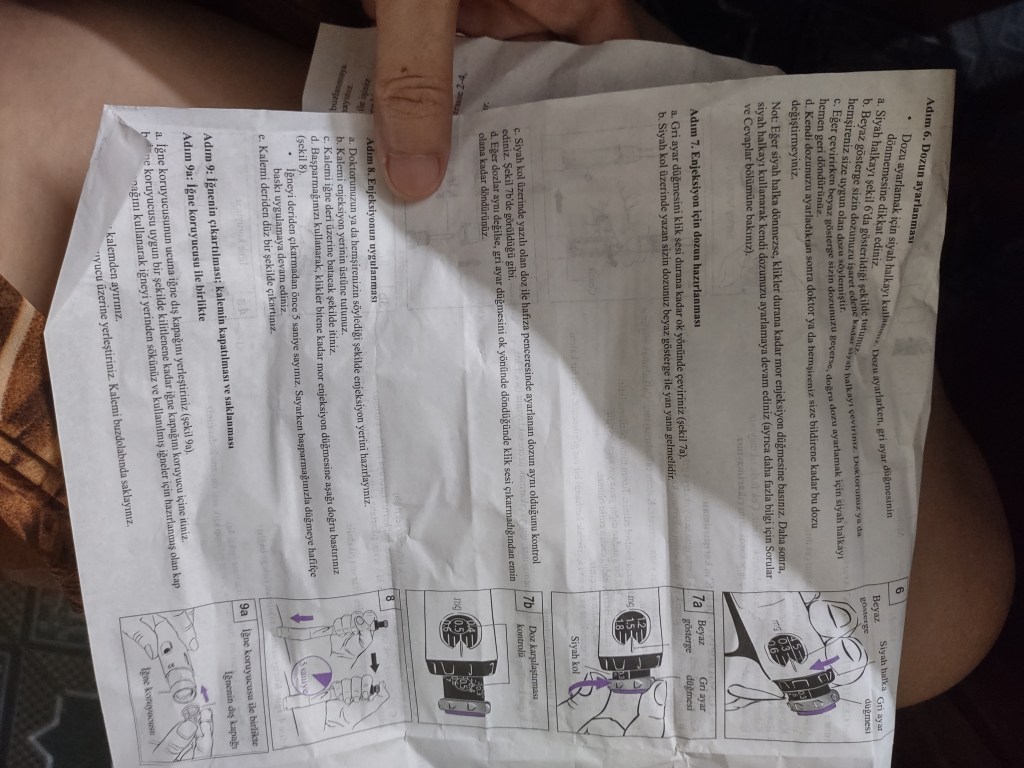
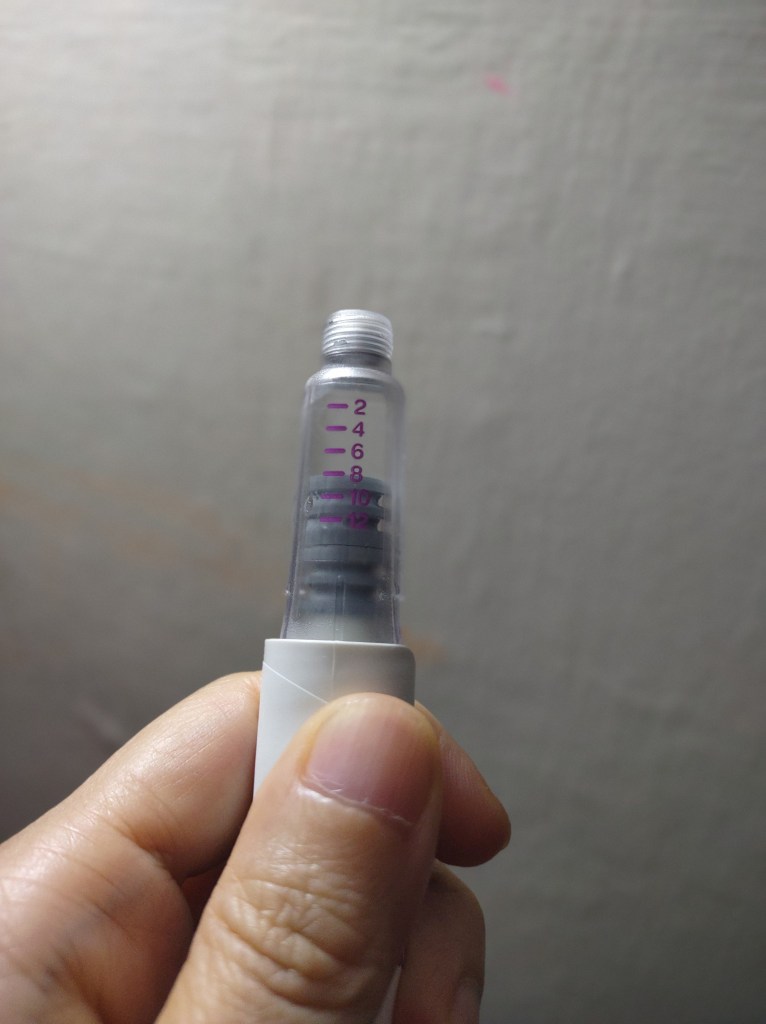
    Based on what I had read, I decided to take 1mg per day, starting from the first stimulation day until the booster shot. This seemed to be the most common protocol I came across. I aligned the timing with my stimulation injections, which made things easier. Using Saizen was simple and straightforward, the Genotropin pen was a nightmare to set up. The instructions were confusing, and the pen’s design was far more complicated compared to Saizen.

    I nervously tried to set the dose, worried I’d break the pen. If that happened, I’d be totally screwed. I just couldn’t figure it out, and as the time I was supposed to inject came and went, I got even more anxious. Finally, I gave up and ran to the nearest hospital to ask for help.

    At first, some of the staff I asked thought it would be simple, but they quickly realized the drug was quite special and unfamiliar to them. Since I didn’t have a prescription, most of them refused to assist me. Only one doctor stayed, saying she could tell by my expression that I was desperately seeking help. Together, we watched YouTube videos and followed the manual, trying to figure out how to set up the pen. She twisted and turned the pen’s knob vigorously while I was afraid she might break the pen. Finally it worked. I was super relieved at first but then felt so bummed when I realized I’d lost half the drug during setting it up.

    Deep down, I was still grateful that, thanks to her help, I was finally able to take the injection. Since the pen came with a larger dose—12 mg, the only option available—instead of the smaller dose I had originally intended to buy, I was fortunate to still have enough medication left, even after losing half of it.

    The ninth cycle could have been a huge disappointment for me, but in the end, it brought so many unexpected surprises.

    At the baseline ultrasound, everything looked good with two follicles on the left and two on the right. I started daily injections of Puregon 300 IU from 06/08/24, added IVF 75 IU from 06/12/24 and Orgalutran from 06/14/24. However, during the stimulation process, my follicles developed very slowly. Midway through, one follicle grew much larger than the others, which was not ideal, as I hoped for more evenly growing follicles. I continued with the stimulation, hoping the smaller follicles would catch up with the larger one, but unfortunately, that didn’t happen. The largest follicle measured 19 mm while the second one was 10 mm. My doctor then recommended a dual stimulation cycle, where I would undergo egg retrieval to collect the large follicle and immediately continue stimulation to encourage the growth of the remaining follicles.

    At first, I was hesitant, worried that I might end up with nothing. Many people fail to get any embryos, even after retrieving a lot of eggs, so I wasn’t sure how things would go with just one follicle. It’s also common to retrieve fewer eggs than the baseline number. I was leaning toward the idea of ignoring the large follicle and letting the smaller ones continue to grow. However, both the doctor and a patient I spoke with suggested that the large follicle might actually be the best, as it could have the most nutrients. That reasoning made sense to me.

    I underwent egg retrieval after seven days of stimulation, preparing for none to be retrieved, but luckily I secured two eggs, and both fertilized successfully. Amazingly, according to the embryologist, the embryos’ quality had improved significantly. Both showed good cell division, normal morphology, and minimal fragmentation on day three, and one even had the potential to reach the blastocyst stage by day five. Also, this time around, I didn’t have the bad pain like I did after egg retrievals in the past. I think the anesthesiologist adjusted my meds after I told them how bad it was then, and it made a huge difference.

    This result might be devastated to many IVF patients, but for me, it was a milestone, marking a big improvement after so many attempts to just get one good egg and then a good embryo. Though the embryos weren’t graded as “good”, the embryologist said they were much better, which meant the whole world to me.

    I took a break of four or five days after the egg retrieval but continued injecting HGH before starting the second phase of stimulation. Unfortunately, the follow-up ultrasound showed that all the follicles were gone or as the doctor put it, “ruptured.” So, I never got the chance to experience the dual stimulation process.

    As for my two embryos, I didn’t want to risk waiting until day five because they were all I had, and I didn’t want to lose them. Usually, the number of embryos that develop on day five is much lower than than the number of embryos on day three. For patients with fewer embryos, doctors typically recommend freezing or transferring on day three. So, I decided to freeze my two embryos on day three.

    At first, I thought about a fresh transfer because my progesterone was fine. I once had a day-3 embryo in the US, but at that time, my body wasn’t ready for a fresh transfer because my progesterone was high. Unfortunately, that one didn’t make it past dat four.

    After thinking it over, I decided not to go for a fresh transfer. I wanted one more cycle to hopefully collect more embryos. Maybe the next cycle would be the one that maximized the benefits of the PRP and HGH injections. After a month of HGH priming and PRP injections, I was hoping for a better outcome. Given my age, my low ovarian reserve, and poor egg quality, I didn’t want to miss this “golden” opportunity to gather more embryos. If I did a fresh transfer, it could delay another egg retrieval, and with so many uncertainties along the way, it could end up wasting precious time. So, I made the decision to hold off on the fresh transfer.

    After nine cycles, I finally saw some improvements in the quality of my embryos. I finally got three day-3 embryos to freeze (I wasn’t too hopeful about the one from the 8th cycle due to its very poor quality), and freezing it on day three wasn’t really my choice—it was just what I had to do to avoid losing it). The ninth cycle was a milestone, showing some progress, which renewed my hope. Instead of freezing two embryos in one tube, I decided to freeze them separately. While this meant higher storage costs and would double the transfer costs, I didn’t want to risk losing everything at once in case both embryos didn’t work. By transferring one at a time, I could hold onto hope if the first one didn’t succeed. That was how I dealt with my emotional stress.

    In short, the ninth cycle was like a roller coaster. I started off “high” on PRP and HGH, hoping they would improve my results, then felt down as the follicles grew unevenly, and I faced the possibility of no eggs after retrieval. But then I was back up with two decent day-3 embryos and the hope of collecting more during the second stimulation phase. The ride leveled out when dual stimulation didn’t happen, but in the end, I was still happy with the results.

  • IVF Cycle 8

    When my seventh IVF cycle failed after all the efforts I’d put into improving my fertility health, I went through the darkest days of my life—days I will never forget. I was losing so much of myself, something I never expected. The toll this journey took on me was beyond anything I could have imagined. I felt pressed and crushed. You would never know the depth of it until you’re already caught in that spiral, and by then, it’s too late to back off without pain or exhaustion.

    I don’t think words can be enough to express how I felt, or maybe I’m just not capable of expressing it through words. All I can say is that I was living through the hardest days of my life. It was a lonely journey, one I accepted because it was my choice, whether voluntary or not. I had love and support—more than I ever expected—so there was no reason to moan about it. My focus was on doing my best to deserve the good things I had received along this challenging path.

    My eighth cycle began with a host of fertility issues: endometriosis, low egg ovarian reserve, poor egg quality, and poor sperm quality. It felt like every obstacle was in my way.

    I had been focusing on eating healthy, staying active, going to bed early, and minimizing stress, but the results still hadn’t improved. To prepare for this cycle, I added acupressure and reflexology twice a week, and my acupuncturist had me doing acupuncture every day except Sundays. I also researched a method called PRP (Platelet-Rich Plasma), which has been used recently in the US and other developed countries. It’s said to help rejuvenate ovaries, potentially improving the quality of eggs by up to 50%. There was a lot of debate about this method, with some people dismissing it as just a marketing gimmick, while others considered it a game-changer. On Reddit, many IVF patients who tried it shared positive results. However, it was completely new in Vietnam. The only information I could find here was a short YouTube clip from a scientific conference—it wasn’t educational, just an introductory video.

    When I brought up this method to my doctor, he was surprised I’d heard of this since at that time, PRP injections were still being researched and hadn’t yet received national medical approval there.

    I shared the documents and videos I had collected in English for his reference. He said he could go ahead with it, but I would have to take full responsibility for any consequences. That wasn’t a problem for me because I trusted him, and I knew this method was relatively safe since it uses the patient’s own blood.

    I was scheduled for PRP injections really quickly, on day 6 of my cycle. One of the things I really appreciate about treatments in Vietnam is how flexible the timing is. You don’t have to wait long to book an appointment, and this flexibility extends to almost every step of the medical process, saving a lot of time on administration, preparation, and procedures.

    On the day of the procedure, the doctor drew two tubes of my blood and injected around 4 ml of plasma into my ovaries while I was under anesthesia. Afterward, I felt fine, just experiencing some light cramps and more discharge than usual, which lasted a few days.

    For the procedure, my doctor administered two PRP injections, one in each ovary. Other doctors I’ve read about do multiple injections at different spots on the ovaries, and the amount of plasma used can vary. It really depends on the doctor and clinic, as PRP is not universally accepted or practiced the same way everywhere. A quick online search showed that PRP treatment was around $5,000 in the US, but I only paid 10 million VND (~$400) there.

    Besides PRP, Human Growth Hormone (HGH) injections are also believed to help improve egg quality and have been used in the US. However, it was something completely new in VN. When I mentioned it to my doctor, he was surprised. I told him I wanted to give it a try, but he was hesitant because there wasn’t an established protocol for it yet.

    During my treatment in VN, my conditions worsened, and with doctors juggling so many patients, I realized I needed to take a more proactive approach in finding ways to improve my fertility. I couldn’t expect a doctor to go beyond researching my case or take the initiative to explore new protocols or treatments that might work better for me. I used to feel upset and disappointed, wishing my doctor would do more, but over time, I understood that maybe I was expecting too much. I came to appreciate my doctor for listening to and respecting my thoughts, as well as for his support and attention. These meant a lot to me because it’s stressful for any patient to work with a doctor who assumes they know nothing.

    28 days after the PRP injections on 04/18/24, I started my eighth IVF cycle on 05/16/24. I had daily injections of Pergoveris300 IU for 8 days, added Orgalutran in the mornings starting from 05/20/24, then injected a dual booster of Fertipeptil 0.1 mg and Ovitrellte 250 mg on 05/23/24. My follicles measured 17, 15 mm (L) and 17, 15 mm (R) on the booster day. I got 3 eggs retrieved and only one day-3 embryo, which was frozen the same day. The embryologist explained that the embryo would be unlikely to survive until day 5, and they don’t typically freeze embryos on day 4. The embryologist noted that the embryo’s development was abnormal during cell division, with the cells not dividing clearly, and the fragmentation percentage was over 50%, which was very high.

    Having just one frozen day-3 embryo didn’t mean my results had improved, but it did help my emotions. At least I didn’t end the cycle with nothing. There was still some hope, though minimal, because if there hadn’t been, there wouldn’t have been any reason to freeze it.

    Was I disappointed with the result? No. I had started to become familiar with repeated failures and unexpected occurrences. Gradually, I accepted that being a biological mother might not be for me. I was just trying to do what I could to avoid regret later on. After the eighth cycle, I started to realize the toll it had taken on my body. Since the seventh cycle, my body had ached severely after egg retrieval, even though I had few eggs retrieved. It felt like I was “paralyzed” the day after the procedure. My upper body felt stiff and tight, and whenever I moved, my muscles seemed to “retract,” making breathing incredibly painful. I had to sleep sitting up. In past cycles, I never experienced this kind of pain and never needed pain relievers after retrieval. When the pain first hit, I didn’t even remember the pain relievers I had been prescribed. This time, I took pain relievers, but they only helped a little.

    The pain was a wake-up call, making me think about putting an end to this journey. I started to worry about the long-term consequences of the continuous IVF cycles. I started to accept that I had done enough. It was time to stop, take care of myself, and consider a different path.

    However, since PRP injections are believed to be effective for up to three months and I still had nearly two months left, I didn’t want to miss the chance. So, I decided to continue the ninth cycle, this time trying HGH.