Many English learners focus heavily on the articulators—tongue, jaw, mouth, lips, and throat. Yet, they still struggle to speak English naturally in various settings. A significant reason is their lack of awareness of breath control. Breath is a silent yet powerful tool for voice control, essential for smoothness, clarity, and consistency in speech.

Breath acts as a voice carrier; however, its role is usually overlooked by learners. Many mistakenly believe that sound is created by the articulatory muscles and therefore move them excessively in pursuit of clarity. This can result in a voice that sounds “too clear” but lacks smoothness. They also overuse the articulatory muscles in an attempt to project their voice louder, but this approach often produces an unnatural and strained voice. Such habit may lead to fatigue and potential long-term harm to the articulators. Some learners, in contrast, are ”lazy” to move the articulators, combined with short and shallow breath, causing a weak, inconsistent and unclear voice. Additionally, some individuals sound natural when speaking alone or in small groups; however they fail to maintain effortless and consistent speech in larger, louder environments due to improper breath control.
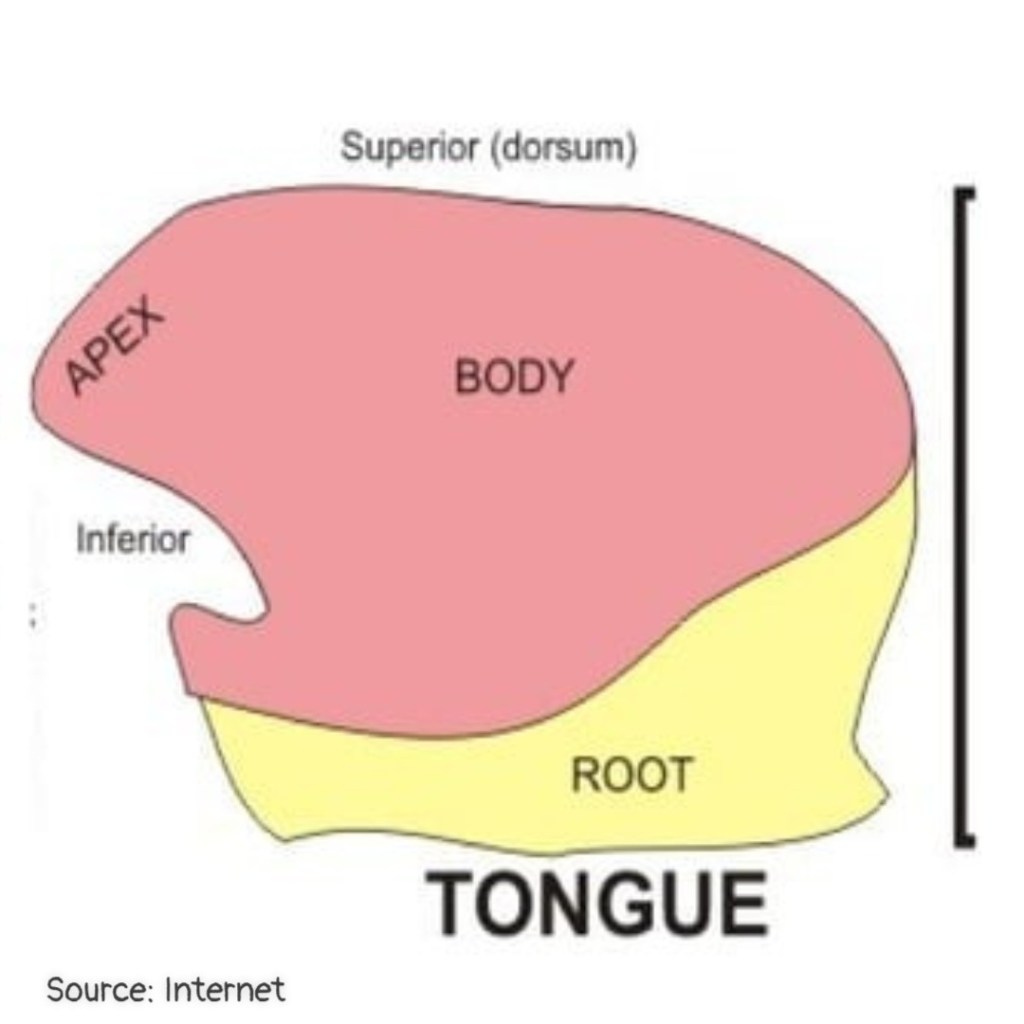
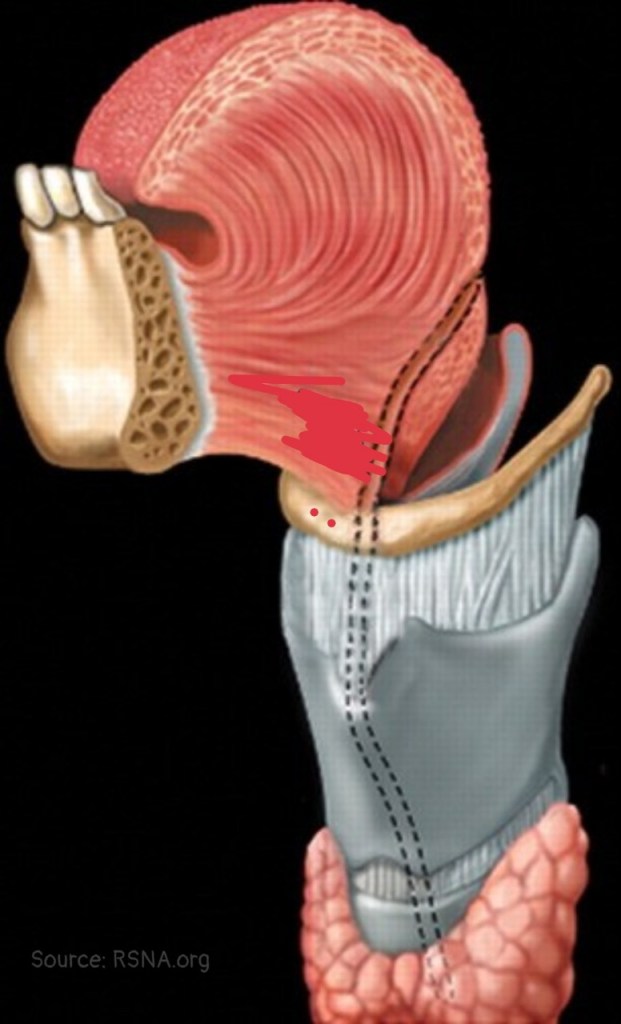
Having enough breath before speaking and knowing how to release it properly is crucial for voice control. Focus on breath rather than muscles. Let the breath carry the sound, and send the voice out on exhalation. You should always remind yourself to “open your throat” before speaking and maintain this openness throughout the speech. Breathing in helps open the vocal tract, position the tongue, and create more space at the back of the mouth. Once the articulators and their positions are set, maintain their stability and use breath to send the voice out.
First, inhale gently and slowly through the nose, avoiding aggressiveness or abruptness. Speak on exhalation. Inhale again before starting each new phrase or sentence. Speak on exhalation. This process repeats consistently and rhythmically: inhale, then speak (on exhalation).
Alternatively, breathe in through the mouth as if starting a small yawn. Speak at the beginning of the yawn. Do not wait until the yawn is complete as this will cause strain on the tongue root and narrow the throat and the back of the mouth.
In addition to proper inhalation, be aware of how to breathe out effectively because sounds glide on exhalation. Sound production is closely tied to the vibration of the vocal folds. If breath is ample but the vocal folds vibrate loosely, the voice will sound breathy or hollow. Conversely, insufficient breath and tense vocal folds stress the voice, making it sound small, dull, and rigid. Remember the vocal folds regulate airflows. It’s essential to maintain their flexibility and stability to achieve a smooth, clear, and natural voice. To understand more about how the vocal folds work, check it here.
This information may seem overwhelming at first, and practicing it can be challenging. You may have been so familiar with overusing the articulators instead of using breath to produce sound. Take time to practice, be patient, and resilient. Be attentive to the articulators, muscles, and breath. Overtime, you will become more sensitive to how these elements react and be able to gauge whether your voice sounds okay or require adjustments. Take notes on issues while practicing for review and subsequent addressing.
In summary, effective breath control is crucial as it serves as a voice carrier. Mastering it significantly improves vocal quality, promoting a smooth, consistent, and natural sound without straining the articulators. From my personal experience, being well-prepared with breath also greatly enhances a speaker’s demeanor—conveying relaxation, control, and full engagement in conversations.


 Begin life at forty